How to Achieve Accurate Spanish to English Video Translation?
Accurate Spanish to English video translation is vital in our interconnected world. Many people consume content in different languages. This presents both opportunities and challenges. Quality translation can bridge cultural gaps. However, achieving accuracy is not always straightforward.
Language nuances often distort meaning. For instance, idiomatic expressions may not have direct equivalents. This can result in misinterpretation. Additionally, regional dialects complicate the translation process. A translator must navigate these complexities with care.
Finding reliable translation solutions is crucial. Some rely on automated tools. Others turn to professional translators. Each option has its pros and cons. Nonetheless, a deep understanding of both languages is non-negotiable. Achieving precise Spanish to English video translation requires practice and reflection. The journey might have pitfalls, yet it is essential for effective communication.

Understanding the Importance of Accurate Spanish to English Video Translation
Accurate Spanish to English video translation is crucial for effective communication. Many people rely on videos for learning and entertainment. If the translation is poor, it can lead to misunderstandings. Subtitles must convey the original intent and tone. When they miss the mark, the audience feels disconnected.
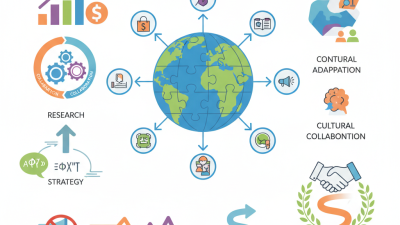
Consider cultural nuances. A phrase that works in Spanish might not resonate in English. Eloquent expression can be lost without careful adaptation. Viewers may interpret messages differently. This highlights the importance of not just translating words, but meanings. Collaborating with skilled translators can help bridge these gaps. Yet, not every translator understands the subtleties of both languages.
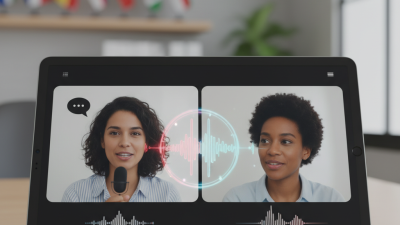
Technical challenges also arise. Background noise, varying accents, and video pace can complicate translation. These factors can result in awkward sentences or incomplete thoughts. It's not just about translating; it's about crafting a narrative that feels authentic in both languages. A mixed approach that combines human insight and technology might address some common pitfalls. This is an ongoing process of learning and adjustment.
Video Translation Accuracy Comparison
Key Challenges in Spanish to English Video Translation: A Data-Driven Approach
Translating videos from Spanish to English poses numerous challenges, especially in retaining the original meaning and emotion. A report by the American Translators Association highlights that over 60% of translation errors stem from cultural nuances and idiomatic expressions. These errors occur frequently, leading to misunderstandings that can alter the perceived message. For example, idiomatic phrases don’t always have direct translations, making them tricky to convey accurately.
Timing is another critical aspect. According to a study published by the SDL Trados Group, 75% of video content relies heavily on synchronized subtitles. The tight synchronization between audio and text is vital. If translations lag behind the spoken words, viewers may lose context, impacting their overall understanding. Additionally, mismatches in pacing can detract from the viewer's engagement with the video.
Resources and tools are available but come with limitations. Automated translation tools, while efficient, often fail to capture context accurately. A survey from the Language Services Market shows that 55% of professional translators prefer human intervention for nuanced translations. Relying solely on machines can lead to bland or erroneous translations. Ultimately, a data-driven approach should balance technology with human expertise to enhance video translation quality.
Best Practices for Engaging and Retaining Audiences in Translated Content
Engaging audiences through translated video content requires thoughtful practices. Accurate Spanish to English translations play a crucial role in this. When videos are translated, the nuances of the original message should be preserved. However, it's not always easy. Misinterpretations can occur, leading to a disconnect with the audience.
Using culturally relevant expressions helps bridge this gap. Simple phrases resonate better. For instance, converting idiomatic expressions directly often fails. Instead, find equivalent expressions.
Additionally, visual elements matter. Subtitles should be clear and on-screen long enough for viewers to read.
Audience understanding hinges on accessibility. Clear and relatable language should be prioritized. Complexity can alienate viewers.
In video content, consider the pacing. Too fast or too slow can frustrate. Feedback from bilingual viewers can guide better approaches. It’s essential to remain open to continuous improvement. Experiment, learn, and adapt based on audience reactions will enhance overall engagement.
Measuring Translation Quality: Metrics and Standards in the Industry
Achieving accurate Spanish to English video translation requires a keen understanding of metrics and standards in the translation industry. Measuring translation quality is essential to ensure that the final product resonates with the target audience. Many factors come into play, such as accuracy, cultural relevance, and timing. Adopting a robust evaluation method can enhance the overall quality.
One effective approach is to utilize specific metrics. Consider accuracy rates which gauge how well the translation conveys the original message. A standard metric like the ‘BLEU score’ can help measure the alignment between the translated text and the source material. While these tools are helpful, they don't capture everything. Some nuances, like humor or regional dialects, may be lost, which calls for human oversight.
Here are some tips for improving translation quality. Review the translated content with native speakers. Their input can uncover subtle mistakes. Additionally, test the translations with a small audience before full release. This feedback can provide insights into cultural appropriateness. Never underestimate the power of revisions. Going through iterations can significantly improve the end product and avoid potential misunderstandings.