What Are the 2026 Best Medical Syringe Types?

Choosing the best Medical Syringe in 2026 requires more than comparing sizes or prices. Clinical purpose must guide the decision. A 1 mL tuberculin syringe offers precise measurement for small volumes. A 3 mL luer-lock syringe supports common injections. Larger 20 mL and 50 mL designs serve irrigation, feeding, and fluid transfer needs.

Small differences matter.

Needle compatibility, barrel visibility, plunger smoothness, dead space, and sterility can influence daily performance. Safety syringes may reduce accidental needlestick exposure when used correctly. Insulin syringes require suitable graduations and needle lengths. Oral syringes need clear labeling and needle-free tips to prevent medication errors.

Dr. Atul Gawande, a surgeon and healthcare-quality authority, wrote, “Better is possible.” That principle fits Medical Syringe selection. The best type is not automatically the newest, largest, or most expensive. It is the design that matches the medication, route, user, and clinical environment.

A practical evaluation should examine real handling conditions. Can a clinician read the markings under weak ward lighting? Does the plunger move steadily while wearing gloves? Will the connector remain secure during transport? These details are easy to overlook.

There is no perfect syringe for every situation. A design that performs well in a hospital may feel unsuitable in home care. Recommendations can also become outdated as materials, safety systems, and standards change. This article examines leading Medical Syringe types for 2026, including their strengths, limitations, typical applications, and selection considerations. Reliable choices require evidence, training, and honest attention to what may still go wrong.
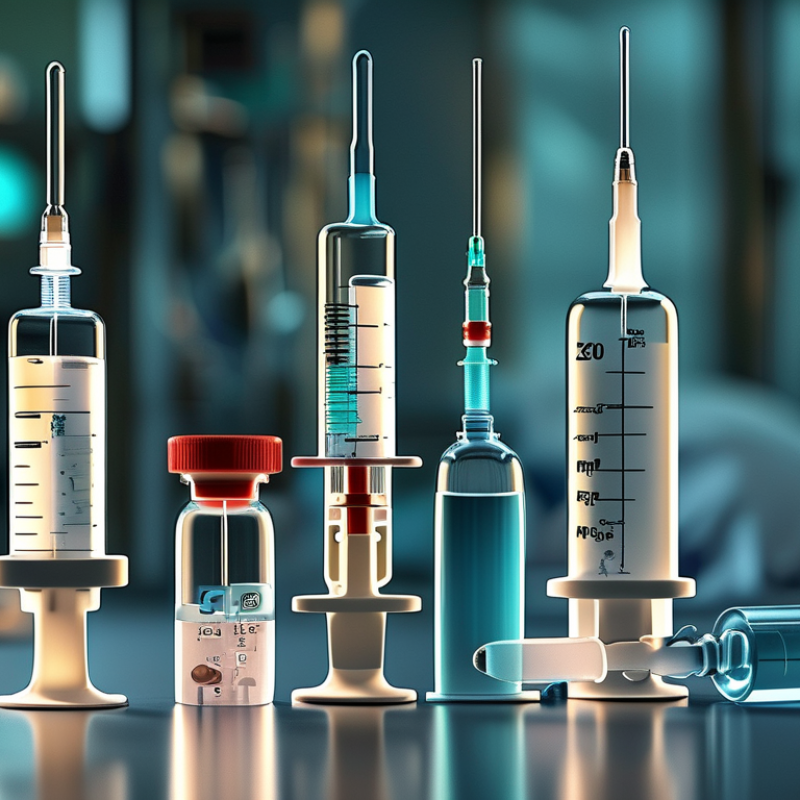
What Are the 2026 Best Medical Syringe Types?

Definition and Core Functions of Medical Syringes

What Are the 2026 Best Medical Syringe Types?

A medical syringe is a calibrated device for drawing, measuring, and delivering fluids. Its main parts include a barrel, plunger, tip, and, when required, a needle. The barrel shows volume markings, while the plunger creates controlled pressure. Some syringes connect to separate needles or tubing. Others use integrated needles. The choice depends on injection route, fluid thickness, dose, and required precision.

Syringe types serve different clinical functions. Insulin syringes support small, fixed-volume doses. Tuberculin syringes help measure very small amounts accurately. Larger syringes assist with irrigation, flushing, or fluid transfer. Safety syringes include protective features that reduce accidental needle injuries. Needle-free designs can support specific delivery procedures. However, “best” does not mean universal. A large barrel may improve handling, but it can reduce precision for tiny doses. This detail is easy to overlook. The World Health Organization reports approximately 16 billion injections worldwide each year, showing why correct selection and safe handling matter (WHO, Injection Safety Fact Sheet).

Tips: Match the syringe scale to the intended dose. Check sterility, packaging, connector compatibility, and graduation clarity. Inspect the plunger before use. A damaged seal or unclear marking deserves rejection. Clinical teams should also follow current local protocols and manufacturer instructions. Standards change, and memory can fail. Reviewing procedures remains worthwhile.

What Are the 2026 Best Medical Syringe Types?

Medical syringes are selected according to dose volume, delivery route, fluid viscosity, and connection requirements. The chart compares common nominal capacity ranges for widely used syringe types; the most suitable option depends on the clinical application.

Insulin and tuberculin syringes support small-volume dosing and precise measurement. Hypodermic, oral or enteral, and irrigation syringes are available in larger capacities for injections, medication delivery, flushing, and fluid withdrawal. Capacity ranges shown are commonly available nominal sizes and are not a substitute for device labeling or clinical guidance.

How Syringe Types Differ by Design, Volume, and Use

What Are the 2026 Best Medical Syringe Types?
How Syringe Types Differ by Design, Volume, and Use

The “best” syringe is not universal. It depends on dose, viscosity, route, and handling conditions. The World Health Organization estimates that about 16 billion injections occur globally each year. That scale makes small design choices clinically important. A 1 mL syringe supports finer measurement than a 10 mL barrel. It suits low-volume dosing. Larger barrels reduce refilling, but markings become less precise for tiny volumes. This trade-off is easy to overlook.

Design changes the workflow. Luer-lock connections resist accidental separation during injections or transfers. Slip-tip designs connect faster but require careful handling. Fixed-needle insulin syringes reduce dead space and medication waste. Tuberculin syringes offer clear 0.01 mL graduations for small doses. Oral syringes use enteral-compatible tips and prevent needle confusion. Safety syringes add needle-shielding mechanisms. Auto-disable models prevent reuse, supporting safer immunization programs.

Use matters most. CDC injection-safety guidance stresses sterile, single-use equipment and a new needle for every patient. ISO 7886-1 defines performance requirements for manually operated syringes. Industry market reports also show rising demand for safety and prefilled formats, although forecasts are not clinical evidence. A device can look advanced and still be wrong for the dose. Even experienced teams sometimes choose volume first and connection second. That habit deserves review. Check graduation accuracy, dead space, compatibility, and disposal procedures before purchase.

What Are the 2026 Best Medical Syringe Types? — How Syringe Types Differ by Design, Volume, and Use

Syringe Type Typical Volume Range Common Graduation Connection or Tip Design Best-Suited Uses Key Advantages Important Selection Considerations
Insulin Syringe 0.3 mL, 0.5 mL, or 1 mL Typically marked in insulin units; common capacities are 30, 50, or 100 units for U-100 insulin Usually an integrated, fine-gauge needle Subcutaneous insulin administration when specifically prescribed Small volume, clear unit markings, and a short fine needle can support accurate subcutaneous dosing Match the syringe scale and insulin concentration exactly; insulin syringes are not interchangeable with standard mL syringes without clinical guidance
Tuberculin Syringe 1 mL Often 0.01 mL increments Usually a Luer slip or Luer lock tip; needle may be separate Small-volume medication measurement, intradermal testing, and selected subcutaneous injections Fine graduations make small-volume measurement more precise than larger syringes Confirm the required needle length, gauge, and route; it is not a substitute for an insulin-unit syringe
Standard 1 mL Luer Syringe 1 mL Commonly 0.01 mL increments Luer slip or Luer lock; needle can be attached separately Low-volume injections, medication reconstitution, and precise liquid transfer Good visibility and fine measurement for volumes below 1 mL Choose Luer lock when a more secure needle connection is required; verify dead space for very small doses
3 mL Luer-Lock Syringe 3 mL Often 0.1 mL increments Threaded Luer lock with detachable needle General medication injection, aspiration, and routine clinical procedures Versatile size with a secure connection and broad needle compatibility Do not select it for very small doses when a 1 mL syringe would provide more precise graduations
3 mL Luer-Slip Syringe 3 mL Often 0.1 mL increments Push-fit Luer slip tip Routine injections and liquid transfer where the connection is compatible with the procedure Quick needle attachment and simple handling Use only when the needle or device is designed for a slip connection; Luer lock provides additional connection security
5–10 mL Syringe 5 mL or 10 mL Commonly 0.2 mL increments for 5 mL and 0.5 mL increments for 10 mL Usually Luer lock or Luer slip Medication preparation, flushing compatible lines, aspiration, and moderate-volume administration Useful balance between capacity, control, and manageable injection force Large syringes may reduce dosing precision for small volumes; follow the device and catheter manufacturer’s flushing instructions
20–60 mL Large-Volume Syringe 20 mL, 30 mL, 35 mL, 50 mL, or 60 mL Usually 1 mL increments, depending on capacity Luer lock, catheter tip, or other procedure-specific tip Large-volume irrigation, aspiration, enteral feeding, and specialized clinical procedures High capacity reduces the number of refills for larger-volume tasks Tip type must match the intended device; excessive pressure can damage some catheters or lines, so use the recommended syringe size
Catheter-Tip Syringe Typically 20–60 mL Commonly 1 mL increments Wide, tapered tip designed for catheter or tubing connection Irrigation, bladder care, wound care, and compatible enteral or drainage tubing Wide tip supports delivery of fluids and connection to larger-bore tubing Not intended for standard needle attachment; confirm compatibility with the catheter, feeding tube, or irrigation system
Oral/Enteral Syringe 1–60 mL Often 0.1 mL, 0.2 mL, or 1 mL increments depending on size Oral tip or enteral-specific connector; no hypodermic needle Oral liquid medicines and administration through compatible feeding tubes Helps reduce the risk of connecting an oral medication syringe to an intravenous line Use an enteral-specific system where required; never attach an oral syringe to a needle or intravenous access device
Safety-Engineered Syringe Commonly 1–10 mL, depending on design Varies by syringe capacity May include a retractable needle, hinged shield, sliding shield, or needleless safety feature Injections and blood-access procedures where reducing needlestick exposure is a priority Designed to reduce accidental needlestick injuries when used correctly Safety features do not replace sharps training, standard precautions, immediate disposal, or correct activation technique
Prefilled Syringe Often 0.5–5 mL, depending on the medication Medication-specific Factory-filled barrel with an integrated or separately supplied needle Ready-to-administer medications and situations where preparation time or dosing steps should be minimized Can reduce preparation steps, dosage calculation, and contamination opportunities Check storage conditions, expiration date, medication compatibility, and whether the device is intended for single use
Low-Dead-Space Syringe Commonly 1–3 mL Varies by capacity and manufacturer design Plunger and hub geometry designed to minimize residual fluid Small-volume injections where medication waste or dose accuracy is especially important May reduce residual volume in the syringe and needle hub Confirm that the design is approved for the intended medication and procedure; dead-space performance varies by product design

Selection should be based on the prescribed medication, required dose, route of administration, needle or tubing compatibility, infection-control requirements, and applicable clinical instructions. Most medical syringes are intended for single use unless specifically labeled otherwise.

Key Medical Syringe Types in 2026

Key Medical Syringe Types in 2026

Medical syringes are chosen by dose, tissue, medication, and patient age. WHO estimates that more than 16 billion injections occur worldwide each year. That scale makes accurate selection essential.

Standard hypodermic syringes remain common for measured injections. Insulin syringes support small, fixed-volume doses. Tuberculin syringes help measure volumes below 1 millilitre. Their clear barrels improve visual checking.

Safety-engineered syringes add shielding or automatic needle protection. They can reduce accidental needlestick exposure when staff use them correctly. The U.S. CDC recommends safety devices where exposure risks exist.

Prefilled syringes can improve dose consistency and reduce preparation steps. Oral syringes are needle-free and help deliver liquid medicine through the mouth or feeding tube. They should not be confused with injectable devices. ISO 7886 standards also guide basic syringe performance, including leakage and graduated-volume accuracy.

Tips:

Match the syringe to the prescribed route and volume. Check the graduation size carefully. A 1 mL syringe may offer better visibility than a 5 mL model for tiny doses. Confirm compatibility with the medication and container. Follow facility procedures for sterile handling and disposal. Never rely on color alone. The categories are useful, but not perfectly separate. A safety feature may complicate handling for some users. Training quality still matters, perhaps more than the device itself. Clinicians should verify current instructions before use.

How to Select the Right Syringe for Each Clinical Procedure

What Are the 2026 Best Medical Syringe Types?

The best syringe depends on the procedure, not the calendar year. WHO estimates that about 16 billion injections occur worldwide each year, according to its injection safety reporting. That volume makes correct selection essential. For vaccines and subcutaneous medicines, choose a low-dead-space syringe with a suitable needle gauge. For precise small doses, tuberculin syringes improve visibility. Insulin syringes should remain limited to compatible insulin delivery.

Luer-lock syringes provide stronger needle connections during aspiration, infusion, and medication preparation. Slip-tip designs may suit low-pressure procedures, but staff must verify secure attachment.

Safety-engineered syringes can reduce needlestick exposure when their activation steps match local training. CDC injection-safety guidance emphasizes one sterile needle and syringe for each patient.

Simple rule. Never reuse either component.

Volume matters too. A 1 mL syringe usually supports finer dose measurement than a 10 mL model. Select the smallest practical barrel. Check medication viscosity, route, connector compatibility, and required pressure.

ISO 7886-1 provides performance requirements for sterile, single-use syringes, supporting consistent quality checks. Still, standards do not replace clinical judgment. A syringe can be technically compliant yet poorly suited to a cramped workspace or an anxious patient. That is where selection remains imperfect. Staff should document near misses, review handling steps, and reassess choices as procedures change.

Safety, Sterility, and Emerging Syringe Innovations

In 2026, the best syringe is not simply the smallest or cheapest. It must protect patients, clinicians, and the next procedure. WHO estimates that roughly 16 billion injections occur worldwide each year, making reliable sterility a major systems issue (WHO, Injection Safety Fact Sheet). Single-use, sterile syringes remain the baseline, with intact packaging, clear graduations, and traceable lot information. Sterility fails in practice when storage is wet, seals are damaged, or staff rush preparation. That human detail matters.

Safety-engineered syringes add shields, retractable needles, or automatic needle-locking features after use. WHO’s 2016 guideline reports that these designs can reduce needlestick exposure when training and disposal systems work together. Low-dead-space models can also reduce residual medication, supporting dose efficiency and lowering avoidable waste. However, the smallest residual volume is not always the best clinical choice. Connection errors still happen. Fit, visibility, plunger smoothness, and route compatibility require local evaluation.

Emerging systems add electronic dose tracking, tamper alerts, and temperature monitoring, especially in high-volume vaccination programs. WHO and UNICEF reported 14.3 million zero-dose children in 2022, highlighting the need for dependable supply systems alongside innovation. That distinction deserves attention. Smart features may increase cost, battery dependence, and training demands. ISO 7886-1 and ISO 23908 provide useful performance and sharps-safety references, but procurement teams should verify current editions. Some evidence remains limited outside controlled settings. Clinical governance should compare actual error rates, seal integrity, user feedback, and waste outcomes before broad adoption.