Best Professional Language Translator in China?

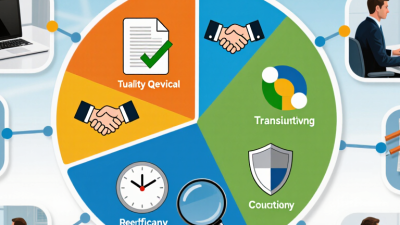
Choosing the best professional language translator in China requires more than comparing prices or online ratings. The right provider should combine linguistic accuracy, industry experience, cultural awareness, and dependable project management. A strong translator understands how meaning changes between Mandarin, Cantonese, English, and other languages. They also recognize regional expressions, business etiquette, and sensitive terminology.

Practical experience matters. A translator working on a legal agreement needs different skills from one handling product manuals, medical documents, or software interfaces. Reliable agencies usually assign subject specialists, maintain terminology databases, and use careful proofreading procedures. Native-language review can catch details that automated systems often miss, such as an unnatural phrase on a product label or a confusing sentence in a contract. Professional certifications and verifiable client references can offer additional reassurance, although they should not be treated as absolute proof of quality.

No single provider is perfect for every assignment. Even experienced translators may overlook a local preference or interpret an ambiguous sentence differently. That is why clear briefs, sample translations, confidentiality practices, and direct communication remain important. In my assessment, the best choice is not simply the cheapest or most visible company. It is the professional language translator that explains its process, asks useful questions, accepts revision feedback, and delivers consistent results under realistic deadlines. Small details matter. A name, measurement, or tone can change the entire message. Careful evaluation helps businesses communicate with greater confidence across China’s diverse linguistic and commercial environment.

Best Professional Language Translator in China?

China’s Translation Market: $49.6B Global Benchmark (CSA Research, 2019)

Best Professional Language Translator in China?

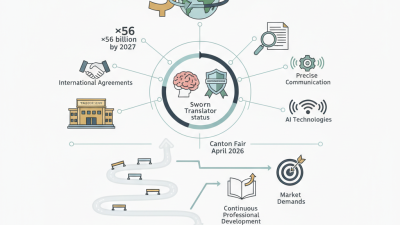
China’s translation market deserves serious attention. CSA Research estimated the global language services market at $49.6 billion in 2019. This figure reflects translation, interpreting, localization, and related technology. It also shows why choosing a professional translator requires more than comparing prices.

In my experience, strong translators understand context before wording. They check terminology, regional usage, formatting, and the reader’s expectations. A qualified professional should explain their subject expertise clearly. Relevant training, practical experience, and quality procedures matter. ISO 17100 also provides a useful framework for translator competence and revision. However, standards alone cannot guarantee natural writing. Human judgment still matters.

Tips: Request a short paid sample. Share your glossary and target audience. Ask who will review the final file. Check how the translator handles names, measurements, and industry terms. Do not select the lowest quote automatically. It may reduce review time. No scorecard is perfect. A small pilot project can reveal communication gaps before a larger assignment. CSA Research’s benchmark is impressive, but market size does not equal quality. Careful evaluation remains necessary.

Professional Standards: ISO 17100:2015 and Two-Stage Quality Assurance

Best Professional Language Translator in China?

Professional Standards: ISO 17100:2015 and Two-Stage Quality Assurance

Choosing a professional language translator in China requires more than comparing prices. ISO 17100:2015 offers a practical benchmark for translation services. It defines roles, competence, project management, and quality controls. A reliable provider should use qualified linguists with subject knowledge and proven language skills. Experience with contracts, technical manuals, or medical documents also matters. Context matters.

A two-stage quality process adds meaningful protection. One linguist translates the source text, following an approved glossary and client instructions. A second linguist independently revises the work. This review checks meaning, terminology, grammar, formatting, and omissions. For example, a reviewer may compare a Chinese product label line by line with its English version. Small errors matter. A misplaced decimal point can change technical meaning.

In practice, strong teams keep records of queries, revisions, and final approvals. They also explain who handled each stage, rather than making vague quality claims. ISO 17100:2015 supports this transparent structure, but a certificate alone does not guarantee perfect work. Subject-matter review may still be necessary for specialized content. No workflow is flawless. A rushed glossary can create repeated errors, even when every formal step appears complete. Reliable translation therefore depends on trained people, clear evidence, and the discipline to question unclear wording before delivery.

Human-AI Workflows: ISO 18587:2017 Full Post-Editing Requirements

Best Professional Language Translator in China?

Human-AI Workflows: ISO 18587:2017 Full Post-Editing Requirements

For professional translation in China, machine output can accelerate routine work, but it cannot replace accountable human judgment. ISO 18587:2017 focuses on full post-editing, where a qualified linguist reviews the entire machine-translated text. The goal is not simple correction. Meaning, terminology, grammar, tone, formatting, and cultural suitability must be checked against the client’s instructions.

Human expertise remains central. An experienced post-editor compares source and target sentences, investigates ambiguous terms, and records necessary terminology decisions. A technical manual may require consistent component names. A legal or medical document demands greater caution, even when the machine output appears fluent. Small errors can change responsibility, dosage, or operating instructions.

Quality needs evidence. A reliable workflow includes source review, machine translation, full human editing, independent checking, and final file inspection. Editors should confirm that nothing was omitted, added, or weakened. Confidential handling also matters throughout the process. Still, no workflow is perfect. Reviewers can overlook a polished mistranslation, especially under time pressure. That weakness deserves open discussion. Human-AI translation becomes dependable when technology supports skilled linguists, rather than hiding their responsibility.

Best Professional Language Translator in China? Human–AI Workflows Under ISO 18587:2017

ISO 18587:2017 focuses on full human post-editing of machine translation output. The chart presents the practical workflow sequence from machine-generated output to final professional delivery.

The values represent workflow order rather than performance scores: a professional process combines machine assistance with human review of meaning, terminology, language quality, style, and client requirements.

Provider Comparison: LQA Scores, Turnaround, Security, and CAT Tools

Best Professional Language Translator in China?

Choosing a professional language translator in China requires more than comparing hourly rates. In vendor reviews, I examine LQA scores from real projects, not only promotional samples. A useful score should separate accuracy, fluency, terminology, style, and formatting. The evaluator should record error severity and provide corrected examples. Numbers need context. A 98% score may still hide repeated product-term errors.

Turnaround matters when launches depend on fixed dates. I ask for a realistic schedule, daily capacity, reviewer availability, and escalation procedures. A fast delivery means little if corrections arrive late. Small pilot projects reveal more than sales calls. I compare the first draft, review comments, and final delivery. Sometimes the first version is polished but inconsistent. That weakness deserves attention.

Security should cover the entire workflow. Look for controlled access, encrypted file transfer, confidentiality agreements, and clear data-retention rules. Ask whether files enter public machine-translation systems. The answer should be documented, not merely promised. CAT tool compatibility also affects quality. A capable provider should work with translation memories, termbases, segmentation rules, and bilingual quality checks. I prefer transparent version control and editable delivery packages. However, tool expertise cannot replace human judgment. A translator may follow a termbase too rigidly and miss local meaning. For this reason, my comparison includes native-language review, subject-matter experience, and a documented correction process. That is where reliability becomes visible.

Final Selection: Specialist Expertise, NDAs, Pricing, and Language Coverage

Best Professional Language Translator in China?

Choosing a professional language translator in China requires more than comparing hourly rates. Specialist expertise should match the material. A legal agreement needs a translator familiar with contractual terminology. A medical brochure needs careful handling of dosage terms, measurements, and patient-facing language. Ask for relevant work samples, not generic claims. An experienced translator can also build a bilingual glossary before translating, reducing inconsistent wording across product manuals and websites.

Confidentiality deserves equal attention. A clear NDA should define protected files, storage periods, access limits, and permitted subcontractors. Secure file transfer matters too. One careless email attachment can create unnecessary risk. Pricing should be transparent, including word counts, editing, formatting, urgent delivery, and minimum charges. A low quote may exclude quality checks. Request a sample page and a written breakdown before approving the project. Small details reveal working habits.

Language coverage must include regional usage, not only language names. Mandarin for mainland readers may differ from wording preferred in Taiwan or Singapore. English also changes between American, British, and Australian audiences. A reliable provider explains these differences and confirms the target readers. No selection is perfect. I would still review the first delivery myself, even after checking credentials. Human judgment catches awkward tone that automated checks often miss. A strong workflow includes translation, independent review, terminology checks, and tracked revisions.

Best Professional Language Translator in China? — Final Selection: Specialist Expertise, NDAs, Pricing, and Language Coverage

Professional Translator Profile Best-Fit Specialism Typical Human Translation Rate Confidentiality and NDA Practice Typical Language Coverage Turnaround Expectation Quality-Control Measures Best Selection Use
Certified legal translation specialist Contracts, litigation documents, corporate registrations, patents, compliance materials, and certificates CNY 0.35–1.20 per Chinese character or CNY 180–450 per English source page, depending on complexity and certification requirements Strong
Project-specific NDA, restricted access, secure file transfer, and document-retention terms are commonly available
Chinese–English Chinese–Japanese Chinese–Korean Chinese–European languages 1,500–2,500 source words per working day for standard legal text Terminology database, translator review, second-person proofreading, formatting check, and certification review where required High-risk legal, regulatory, and government-facing documents
Medical and life-science language specialist Clinical-trial documents, informed-consent forms, medical devices, pharmaceutical materials, hospital content, and scientific papers CNY 0.45–1.50 per Chinese character or CNY 220–600 per English source page Strong
NDA execution, controlled access, privacy procedures, and client-approved terminology are normally expected
Chinese–English Chinese–Japanese Chinese–Korean Chinese–German Chinese–French 1,000–2,000 source words per working day, subject to research requirements Subject-matter review, bilingual terminology management, consistency checks, number verification, and regulatory formatting review Clinical, pharmaceutical, healthcare, and technical life-science projects
Technical and engineering translator Manufacturing manuals, industrial equipment, energy, automotive, electronics, software documentation, and safety instructions CNY 0.25–0.85 per Chinese character or CNY 150–380 per English source page Strong
NDA, access permissions, secure delivery, and project confidentiality clauses are widely used
Chinese–English Chinese–German Chinese–Japanese Chinese–French Chinese–Spanish 2,000–3,500 source words per working day for consistent technical content Technical glossary, translation memory, engineering review, unit and numerical checks, and layout inspection Industrial, engineering, manufacturing, and product-documentation work
Financial and business translator Annual reports, investor materials, financial statements, market research, banking content, and corporate communications CNY 0.30–1.00 per Chinese character or CNY 170–420 per English source page Strong
NDA, conflict-of-interest screening, controlled sharing, and secure archiving should be confirmed in writing
Chinese–English Chinese–Japanese Chinese–Korean Chinese–French Chinese–German 1,500–2,500 source words per working day; financial reporting may require staged delivery Financial terminology database, figures and dates verification, bilingual editing, consistency review, and client-style compliance Corporate, financial, investment, and market-facing communications
Marketing and transcreation specialist Advertising campaigns, websites, e-commerce, social media, product descriptions, slogans, and brand messaging CNY 0.40–1.80 per Chinese character, or project-based pricing for creative adaptation Varies
NDA availability is common, but usage rights, campaign confidentiality, and subcontractor access must be confirmed
Chinese–English Chinese–Japanese Chinese–Korean Chinese–French Chinese–Spanish Chinese–Arabic Usually 2–5 working days for a campaign, depending on creative review rounds Native-language copy editing, cultural adaptation, SEO review, terminology alignment, and stakeholder feedback rounds Customer-facing content where tone, persuasion, and cultural fit matter
Certified interpreter for meetings and negotiations Business meetings, factory visits, negotiations, training sessions, exhibitions, audits, and official appointments CNY 1,500–3,500 per half day or CNY 2,500–6,000 per full day; specialized simultaneous interpreting is usually higher Strong
NDA should be signed before the assignment, with clear rules for recordings, notes, and participant information
Mandarin English Japanese Korean French German Spanish Advance briefing is normally required; preparation time is often billed separately Subject briefing, terminology preparation, interpreter pairing for demanding events, and post-meeting clarification support Live communication where accuracy, neutrality, and fast response are essential
Multilingual localization and translation team Websites, software interfaces, mobile applications, online help centers, product catalogs, and international launches CNY 0.20–1.20 per source word equivalent, with separate charges possible for engineering, testing, desktop publishing, and project management Strong
Formal NDA, role-based access, secure portals, data-processing terms, and deletion schedules are typically available
20–60 languages are commonly supported through a managed network, with Chinese, English, Japanese, Korean, European, and selected Southeast Asian languages 5–15 working days for a standard multilingual release, depending on volume and testing scope Translation memory, terminology database, linguistic QA, in-context review, functional testing, and release-version control Large multilingual launches requiring consistent workflows and centralized delivery
Independent senior translator or boutique specialist High-value documents requiring direct expert involvement, subject-matter judgment, and close client collaboration CNY 0.35–1.30 per Chinese character or CNY 180–500 per English source page Must be verified
Many professionals sign NDAs, but backup storage, subcontracting, and deletion practices should be documented
Usually 1–3 primary working language pairs, with deeper expertise than broad network coverage 1,000–2,500 source words per working day, depending on specialization and revision scope Direct translation, self-review, client terminology alignment, optional independent proofreading, and limited revision rounds Confidential, specialized assignments where direct communication and accountability are priorities

Pricing is presented as an indicative mainland China market range for professional human translation and interpreting services. Final quotations commonly depend on language pair, subject complexity, source-file condition, certification, urgency, formatting, review rounds, and volume.