Best Real Translator Services for Global Sourcing Needs?
In today's interconnected world, the demand for effective communication is ever-increasing. Businesses must engage with international clients and partners, requiring a reliable way to bridge language gaps. This is where the need for a "real translator" becomes crucial. Real translators do more than just convert words; they convey cultural nuances and ensure the message resonates in the target language.
Selecting the best real translator services can significantly impact your global sourcing efforts. Authentic translation involves not only linguistic skills but also an understanding of the specific industry. A good translator should possess in-depth knowledge of terminology relevant to your field. Some services claim to offer excellent translations but fall short in quality and accuracy. This inconsistency can lead to misunderstandings that affect business relationships.
Finding a trustworthy service requires thorough research. As you explore different options, pay attention to client reviews and case studies. Look for professionals who demonstrate expertise and a proven track record. Your choice of translator can be the difference between success and failure in your international dealings. Take your time to reflect on what qualities matter most for your needs.

Overview of Global Sourcing and Translation Needs
Global sourcing has become essential for businesses aiming to compete on a worldwide scale. As companies expand their operations, they encounter diverse languages and cultures. This creates a strong demand for efficient translation services. According to common industry reports, the global translation market is projected to reach $56 billion by 2027, driven by the increasing need for multilingual communication.
Translation needs vary widely based on the region and industry. For instance, the medical field often requires highly accurate translations due to patient safety concerns. A report from the American Translators Association noted that 68% of healthcare companies consider translation a critical factor in their operations. However, many organizations still struggle with quality assurance in their translation processes. This can lead to misunderstandings and compliance issues, highlighting the need for experienced and professional translators.
The rise of technology in translation has introduced both opportunities and challenges. While machine translation tools can provide quick solutions, they often lack the nuance needed for specific contexts. As a result, businesses must be cautious when relying solely on automated services. The integration of human expertise remains crucial, as human translators can better address cultural subtleties and context. This dual approach can help companies avoid miscommunication and foster stronger international relationships.
Best Real Translator Services for Global Sourcing Needs
This bar chart represents the estimated demand for translation services across various industries in the context of global sourcing. The data showcases the percentage of translation requests received by sector, highlighting the most significant areas needing translation services.
Key Features of Professional Translation Services
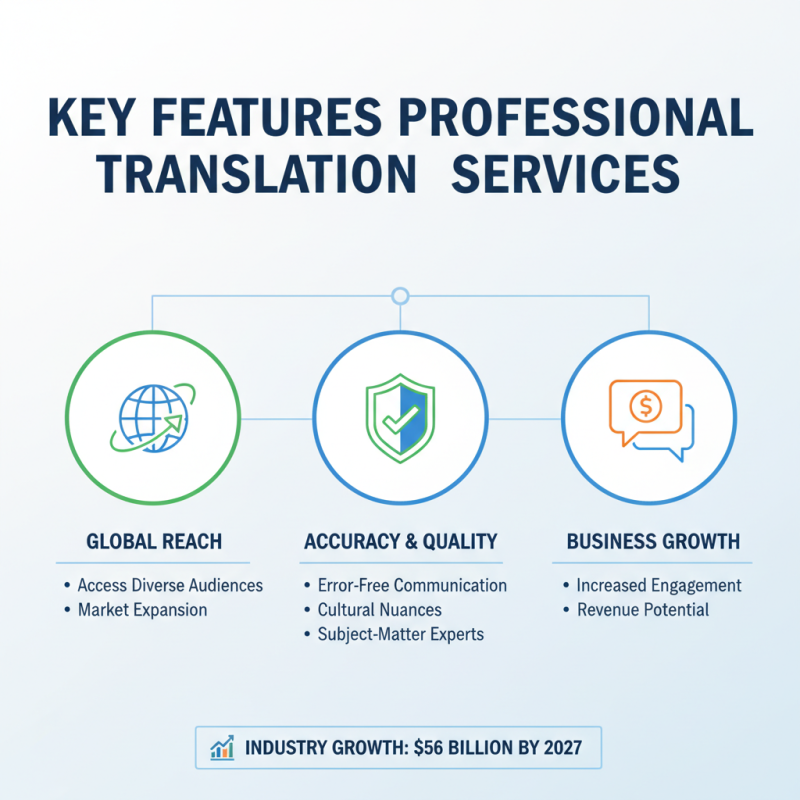
In today's global market, professional translation services play a vital role in facilitating effective communication. According to industry reports, the demand for translation services is expected to reach $56 billion by 2027. Businesses require accurate translations to reach diverse audiences, ensuring that their messages resonate across cultures.
Key features of translation services include cultural expertise, domain knowledge, and technology integration. Professional translators not only convert text but also adapt the content to fit cultural nuances. This cultural sensitivity reduces misunderstandings. Domain expertise means translators are familiar with industry-specific terminology, which enhances the precision of translations.
**Tip:** When selecting a translation service, look for providers with qualified linguists in your specific field. This knowledge boosts the quality and relevance of translations.
Moreover, technology now plays a crucial role in translation services. Tools like CAT (Computer-Assisted Translation) software help maintain consistency and efficiency. However, relying solely on technology can lead to inaccuracies. Human oversight remains essential for nuanced understanding.
**Tip:** Always ask for human review of automated translations to ensure clarity and accuracy. Being aware of these essential features can greatly improve sourcing efforts in international markets.
Factors to Consider When Choosing a Translation Service
When selecting a translation service, several key factors demand attention. Language expertise is crucial. Look for translators who are native speakers. They understand nuances that automated tools often miss. Experience in your specific industry can enhance accuracy. Medical, legal, and technical terminology requires specialized knowledge. A generalist might not grasp critical nuances.
Also, consider response time. Timely translations are vital in many industries. Slow communication can lead to missed opportunities. Check for reviews or testimonials to gauge reliability. Look for a service that prioritizes customer feedback and showcases positive experiences.
Finally, think about confidentiality. Sensitive documents require secure handling. A good translator ensures your information remains private. This builds trust and fosters long-term partnerships. Consider these factors carefully. Poor choices could lead to costly mistakes in your global sourcing efforts.
Top Real Translator Services for Businesses
In today's interconnected world, businesses must communicate across diverse languages. Effective translation services can bridge this gap, ensuring clarity in global sourcing. Choosing the right service enhances understanding and fosters strong partnerships.
Look for translators with expertise in your industry. Knowledge of specific terminology is crucial. It's not just about translating words; it's about conveying the right message. Firms often overlook the importance of cultural nuances. Misinterpretations can lead to costly errors, so it's essential to prioritize translators who grasp these subtleties.
Quality assurance matters. Verify the qualifications of translators. Experience is key—someone new may lack the depth needed for complex projects. Collaboration with native speakers can improve translations significantly. Ensuring that the service has a robust review process can enhance reliability. Always seek feedback from previous clients to make informed choices.
Comparative Analysis of Pricing and Quality in Translation Services
When selecting translation services, pricing and quality are pivotal factors. The market offers a diverse range of costs. Some services charge per word, while others have flat rates. Typically, high-quality translations come at a premium price. However, low-cost options may compromise accuracy. This makes understanding the balance between cost and quality essential.
Quality can be subjective. It often depends on the translator's expertise in specific fields. For instance, a medical document requires a translator familiar with medical terminology. A poorly translated sentence could lead to serious misunderstandings. Many businesses face this issue. They lean towards cheaper services, only to realize the risks later. The lesson here is clear: prioritize quality over cost.
Another consideration is turnaround time. Faster services may lead to errors. Meanwhile, thorough translation processes take longer but ensure better results. Companies must reflect on their needs and choose wisely. Investing in quality translations fosters reliable communication in global markets. This decision should not be taken lightly, as it has significant implications for business success.
Best Real Translator Services for Global Sourcing Needs?
| Service Type |
Pricing (Per Word) |
Average Turnaround Time |
Customer Rating |
Specialty Areas |
| Document Translation |
$0.10 - $0.20 |
3 - 5 days |
4.5/5 |
Legal, Medical |
| Website Localization |
$0.12 - $0.25 |
2 - 4 weeks |
4.8/5 |
E-commerce, Tech |
| Subtitling and Transcription |
$0.15 - $0.30 |
5 - 10 days |
4.6/5 |
Media, Entertainment |
| Interpretation Services |
$50 - $150 per hour |
On-demand |
4.7/5 |
Conferences, Meetings |
| Proofreading and Editing |
$0.05 - $0.15 |
1 - 3 days |
4.5/5 |
Academic, Business |