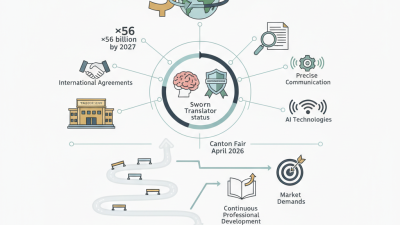
China Best Immediate Translation Services for Global Buyers
Global buyers often need clear answers before placing a factory order. A delayed reply can affect samples, shipping schedules, and supplier confidence. China’s immediate translation services help international teams communicate during these time-sensitive stages. They support product inquiries, technical specifications, quotations, video meetings, and quality discussions.
Reliable providers combine trained linguists with industry knowledge. Some understand manufacturing terms, while others focus on electronics, textiles, machinery, or consumer goods. This experience matters when one translated word changes a measurement, material, or delivery condition. Professional translators should check terminology against drawings, product catalogs, and buyer instructions. Human review remains valuable, especially when automatic tools produce unnatural phrases.
Speed is important, but accuracy cannot become an afterthought. A strong service responds quickly, confirms unclear details, and protects business information through responsible processes. It may also provide bilingual glossaries, revision records, and consistent contact support across time zones. These practical features help buyers compare suppliers with greater confidence.
No service is perfect. Even experienced translators can misunderstand a regional expression or unclear specification. That risk deserves attention. Buyers should test response times, request sample translations, and confirm the provider’s relevant experience before choosing a long-term partner. A short trial can reveal more than a polished sales promise. With careful evaluation, immediate translation becomes more than fast wording. It becomes a dependable communication bridge between global buyers and Chinese suppliers.

What Immediate Translation Services Mean for Global Buyers in China
For global buyers in China, immediate translation services mean fast, practical language support when business decisions cannot wait. A trained translator may join a factory visit, video meeting, product inspection, or supplier call within hours. The work is not limited to converting words. It includes clarifying specifications, delivery terms, quality expectations, and local business habits.
An experienced translator prepares before the conversation begins. They review product names, technical drawings, sample labels, and meeting goals. During a factory visit, they can explain a production step beside the equipment, not several days later. Accuracy matters most when discussing measurements, materials, payment schedules, or inspection standards. Short written records after meetings also reduce misunderstandings. Every detail counts.
Speed has limits.
Immediate service does not guarantee perfect communication. A rushed request may leave important context missing, especially with technical vocabulary or regional accents. I have seen conversations move quickly while one unclear phrase remained unnoticed. That is why reliable providers confirm key points, repeat critical figures, and mark uncertain information honestly. Human judgment remains essential, even when translation tools assist with basic terms. Global buyers should also have qualified professionals review contracts and compliance documents. Fast support is valuable, but careful verification protects the decision behind it.
Key Features of Reliable China-Based Translation Providers
China Best Immediate Translation Services for Global Buyers
Key Features of Reliable China-Based Translation Providers
Global buyers need accurate translation when reviewing quotations, product specifications, and shipping details. Reliable China-based providers understand both language and commercial context. They do not translate words mechanically. They clarify unclear measurements, material names, payment terms, and delivery schedules before problems arise.
Practical experience matters. Skilled translators often work with manufacturing documents, inspection reports, packaging text, and supplier messages. They use terminology lists for repeated products. They also review numbers, units, dates, and technical labels carefully. One small error can change a quantity or delivery requirement. Fast service helps, but speed should not replace human checking.
Confidentiality is another key feature. A dependable provider explains how files are stored, accessed, and returned. Clear pricing and response times also show professional discipline. Qualified linguists should have relevant subject knowledge, not only general language ability. Independent quality reviews can strengthen trust, especially for urgent orders.
No provider is flawless. That matters. Buyers should ask how corrections are handled after delivery. A reliable team accepts questions without defensiveness and records useful feedback. I have found that a short terminology call can prevent several rounds of revision. Still, automated translation may miss local business nuance. Human judgment remains necessary when a phrase sounds polite but creates an uncertain obligation.
How to Evaluate Speed, Accuracy, and Industry Expertise
Global buyers often need immediate translation during factory calls, product sampling, or shipment discussions. Speed matters, but a quick reply is not automatically useful. Ask for a timed trial using a real purchase inquiry. Measure response time, terminology consistency, and how clearly questions are handled. One missed unit can delay a decision.
Accuracy requires more than fluent English. Check whether translators understand measurements, specifications, packaging terms, and technical drawings. Request a short sample with sensitive product details removed. Compare it with the original text line by line. A reliable service should explain uncertain wording instead of guessing. That small habit protects pricing and production decisions.
Industry expertise becomes visible in the questions translators ask. A qualified team should recognize material names, testing requirements, shipping documents, and common buyer concerns. Ask who reviews urgent translations and whether a specialist checks the final version. A shared glossary can reduce repeated mistakes across quotations and instructions. Still, no process is perfect. Even an experienced translator may misunderstand an unclear source sentence. Clear feedback, revision records, and human review make the service more dependable.
Common Language Solutions for Cross-Border Purchasing
Cross-border purchasing often fails at ordinary language points: a missing unit, an unclear tolerance, or a misunderstood delivery term. Common language solutions reduce these risks through multilingual catalogs, translated quotations, live chat support, and trained interpreters. Product names alone are not enough. Buyers need accurate specifications, payment conditions, inspection details, and after-sales instructions.
CSA Research’s 2020 report, Can’t Read, Won’t Buy, found that 76% of online shoppers prefer product information in their own language. It also reported that 40% would not purchase from websites using another language. These figures explain why immediate translation services matter during urgent sourcing. A buyer comparing three factories may need a precise answer within minutes, not tomorrow. Human review remains important for technical terms, regional expressions, and contract language.
A practical workflow combines translation software with experienced language specialists. Machine tools can translate a product list quickly. A specialist should verify measurements, material grades, and shipping vocabulary. Small errors become expensive. “Within five days” may not mean “five business days.” The process is useful, but imperfect. Some terminology still requires buyer confirmation, especially when specifications are incomplete. Clear bilingual glossaries and written follow-up records can prevent repeated misunderstandings during cross-border purchasing.
How Global Buyers Can Select the Right Translation Service
Global buyers should choose a translation service by examining their actual purchasing needs. Product type, destination market, and document purpose all affect quality. A supplier handling machinery manuals needs different expertise from one translating food packaging. Ask whether translators understand technical terms, measurement units, and local buying habits. Practical experience matters here.
Request a short sample using your real product content. Check whether specifications, warnings, and measurements remain accurate. A reliable service should explain its review process clearly. Look for native-language editing, terminology management, and final quality checks. Ask who handles revisions and how urgent requests are managed. Small tests reveal more.
Communication also deserves careful attention. The service should confirm deadlines, file formats, confidentiality procedures, and pricing before work begins. Clear questions often show professional judgment. A low quote may appear attractive, but repeated corrections can cost more. I have seen buyers focus too heavily on speed and regret missing small technical errors. No process is flawless. Leave time for human review, especially when a translation will guide purchasing decisions. A short trial project can reveal whether the translator understands your products, responds to feedback, and notices unclear source text. That last skill is easy to overlook. A dependable partner does not simply convert words; it helps global buyers communicate precise information with fewer avoidable misunderstandings.