China Top Automatic Translator Suppliers and Manufacturers?

China has become a major sourcing base for automatic translator devices, serving travel, education, business, and multilingual customer support. This guide examines leading suppliers and manufacturers through practical purchasing criteria, not attractive rankings alone. Product quality can differ widely between similar-looking models.

A reliable automatic translator should provide clear microphone pickup, responsive speech recognition, stable language switching, and useful offline functions. Buyers should request live demonstrations with accents, background noise, and ordinary conversation. Ask about supported languages, translation engines, battery capacity, screen visibility, firmware updates, and data protection. Small details matter. A weak microphone can ruin an otherwise impressive device.

Factory experience also deserves close attention. Established manufacturers may offer mold development, private labeling, software customization, and consistent production records. Certifications, inspection procedures, warranty terms, and replacement policies should be verified before an order is placed. Requesting samples is essential. Photos cannot reveal delayed responses, awkward menus, or inaccurate translations.

No supplier is perfect. A company with strong hardware may provide limited software support. Another may offer competitive pricing but lack stable after-sales service. These trade-offs require careful comparison. This article highlights China’s notable automatic translator suppliers and manufacturers while encouraging readers to check current specifications, production capability, communication quality, and independent feedback. Market information changes quickly, so every shortlist should be reviewed again before signing a purchasing agreement.
China Top Automatic Translator Suppliers and Manufacturers?

What Are Automatic Translators and How Do They Work?

Automatic translators are devices or software that convert spoken or written language into another language. Many portable units use microphones to capture speech, then separate words from background noise. The system changes speech into text through automatic speech recognition. A neural translation engine analyzes meaning and sentence structure. Finally, text-to-speech technology produces an audible translation.

The process can take only a few seconds. Short pauses help the microphone identify each speaker. Some devices connect to cloud servers for larger language models, while others store limited offline language packs. Offline translation is useful during travel, factory visits, or locations with weak internet access. However, it may struggle with regional accents, technical terms, and fast conversations. A small mistake can change the meaning of a safety instruction.

Reliable manufacturers test translators with real voices, crowded rooms, and different speaking speeds. Buyers should examine language coverage, microphone quality, privacy controls, battery life, and update support. A clear screen also matters when audio is difficult to hear. In practical trials, simple sentences usually perform better than jokes or local expressions. Human review remains valuable for contracts, medical discussions, and sensitive business details. The technology is improving, but it still needs careful listening from the user.


Key Types of Automatic Translators Made in China

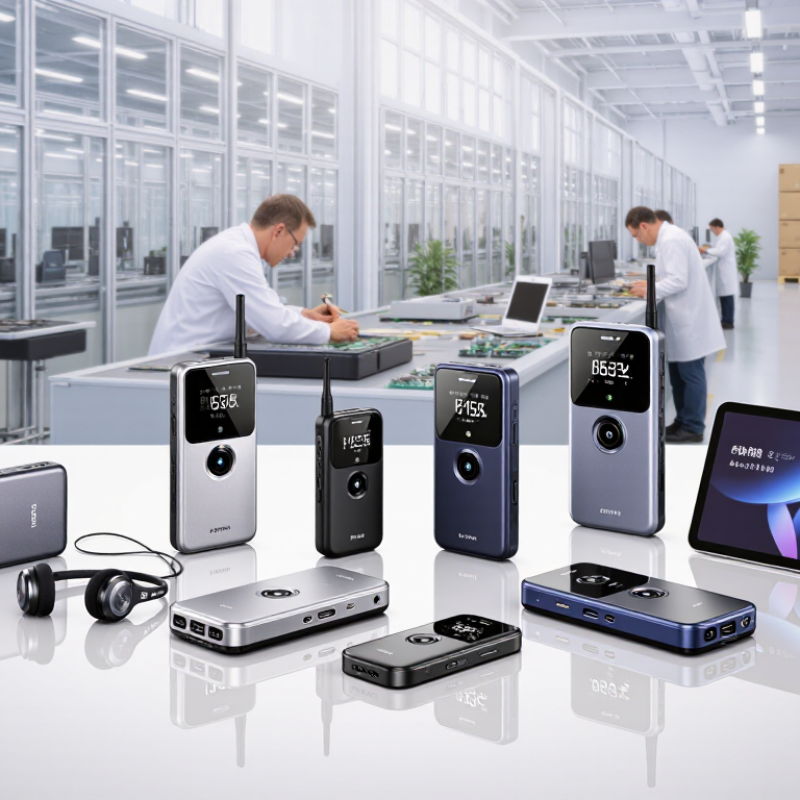
China’s automatic translator manufacturers produce several practical device types for different communication settings. Handheld translators suit travelers, field technicians, and reception desks. They usually combine microphones, noise reduction, touchscreen controls, and cloud-based speech recognition. Some models also support offline language packs, which matter in airports, factories, and rural areas with weak signals.

Wireless translation earbuds focus on two-way conversations. They can detect speech, convert it into text, and play translated audio through each earpiece. Portable conference translators use wider microphone arrays for meetings and guided tours. Software-based translation terminals connect with tablets, kiosks, or customer-service systems. According to MarketsandMarkets, the machine translation market could grow from about USD 1.5 billion in 2023 to USD 4.1 billion by 2028. That growth encourages Chinese suppliers to improve latency, battery life, and language coverage. Yet accuracy still depends on accents, background noise, and specialized vocabulary. No device is perfect.

Tips: Test a translator with real workplace phrases, not only hotel greetings. Check offline performance, microphone pickup, update policies, and data handling terms. ISO 17100 highlights quality processes for translation services, but consumer devices do not automatically meet that standard. Buyers should request test records, warranty details, and measurable speech-recognition results. A quiet showroom may hide weaknesses. A busy factory reveals them quickly.

China Top Automatic Translator Suppliers and Manufacturers? - Key Types of Automatic Translators Made in China

Automatic Translator Type Typical Chinese Manufacturing Profile Core Translation Function Connectivity and Hardware Common Language Coverage Typical Applications Key Procurement Checks
Handheld Online Voice Translators Consumer-electronics OEM and ODM production with customized casing, firmware, packaging, and language menus. Speech recognition, machine translation, and text-to-speech for two-way conversations. Wi-Fi and/or cellular data; touchscreen, microphones, speaker, rechargeable lithium battery, and USB charging. Usually supports major global languages, with actual availability determined by the translation software and cloud service. Travel, hospitality, retail, education, customer service, and field communication. Cloud-service ownership, response latency, microphone performance, battery capacity, firmware update policy, and privacy terms.
Offline Handheld Translators Hardware assembly suppliers integrating embedded language databases and offline speech-processing software. Preloaded offline translation for selected language pairs; some models also provide online translation. Local storage, dedicated processor, microphone array, speaker, display, and optional Wi-Fi or Bluetooth. Offline coverage is normally narrower than online coverage and varies by language pair and software version. Remote travel, logistics, industrial sites, emergency response, and locations with limited network access. Exact offline language list, recognition accuracy in noisy environments, storage capacity, update method, and operating temperature.
Two-Way Conversation Translators Product manufacturers combining automatic speech recognition, translation APIs, touch interfaces, and turn-taking controls. Separate speaker modes or automatic voice detection for face-to-face bilingual conversations. Dual microphones or microphone arrays, loudspeaker, touchscreen, Wi-Fi, and often cellular connectivity. Commonly offers multiple language pairs; performance depends on accents, background noise, and network quality. Clinics, hotels, immigration services, factories, public counters, and international sales meetings. Speaker separation, interruption handling, acoustic echo cancellation, transcription accuracy, and data-processing location.
Portable Conference and Simultaneous Interpretation Systems Professional audio-equipment manufacturers and system integrators producing transmitters, receivers, microphones, and interpretation consoles. Real-time speech translation or multilingual audio distribution for meetings and events. Wireless RF or digital transmission, conference microphones, receiver units, charging cases, and control software. Language capacity varies by software and event configuration; professional systems may support several output channels. Conferences, exhibitions, training sessions, government meetings, factories, and international seminars. Audio delay, channel count, wireless frequency compliance, coverage distance, simultaneous-user capacity, and backup operation.
Translation Earbuds and Wearable Devices Wearable-electronics OEM and ODM suppliers integrating Bluetooth audio, mobile applications, and cloud translation services. Voice translation through earbuds, a companion smartphone application, or a connected cloud platform. Bluetooth connection, charging case, dual microphones, mobile app, and rechargeable batteries. Language coverage is controlled mainly by the mobile application or cloud provider rather than the earbud hardware. Travel, guided tours, informal meetings, language learning, and hands-free communication. Bluetooth stability, app compatibility, microphone isolation, left/right audio routing, battery endurance, and subscription requirements.
Translation Tablets and Kiosk Terminals Commercial-display and Android-device manufacturers offering larger screens, enclosure customization, and system integration. Voice, text, and camera-based translation with a larger user interface for shared public use. Large touchscreen, camera, microphone array, speakers, Ethernet or Wi-Fi, optional cellular module, and wall or floor mounting. Online language coverage generally depends on the selected translation engine and API integration. Airports, hospitals, hotels, factories, public-service counters, and visitor reception areas. Screen brightness, sanitation design, enclosure durability, remote device management, accessibility, and continuous-duty reliability.
Camera and Text Translation Devices Optical-device and smart-terminal suppliers combining cameras, OCR software, displays, and translation applications. Optical character recognition followed by translation of printed or displayed text. Camera module, autofocus lens, image processor, touchscreen, illumination support, and online or offline OCR software. Language availability depends on OCR and translation software; printed Latin, Chinese, and other scripts may require separate testing. Menus, labels, manuals, packaging, signage, warehouse documents, and tourism. OCR accuracy, low-light performance, font and script support, image-processing speed, camera resolution, and document privacy.
Embedded Translation Modules and OEM Solutions Electronics design houses and module suppliers providing boards, SDKs, firmware, APIs, and reference designs for integration. Adds speech recognition, machine translation, text-to-speech, or OCR functions to third-party products. System-on-chip, digital microphones, audio codec, wireless interface, embedded software, and cloud or edge-processing support. Determined by the SDK, translation engine, API plan, and target device memory and processing resources. Smart appliances, vehicles, robots, industrial equipment, education hardware, and custom communication terminals. SDK documentation, API stability, processor availability, supply continuity, firmware ownership, cybersecurity, and certification support.
AI Translation Software and Cloud Platforms Software developers and system integrators supplying APIs, dashboards, mobile applications, and enterprise customization. Automatic speech recognition, neural machine translation, text-to-speech, transcription, and terminology management. Cloud servers or private deployment, REST APIs, mobile SDKs, web interfaces, and enterprise administration tools. Coverage varies by engine; specialized terminology and domain adaptation may require configuration or additional training data. Customer-service platforms, e-commerce, call centers, education, media, logistics, and enterprise communication. API latency, uptime, data retention, encryption, regional hosting, terminology controls, integration limits, and pricing model.

Note: Language availability, translation accuracy, offline capability, connectivity options, and compliance documentation vary by supplier, software engine, configuration, and target market. These specifications should be verified through samples, technical datasheets, and production testing.

Leading Chinese Automatic Translator Suppliers and Manufacturers

China has become a major base for automatic translator suppliers and manufacturers. Many factories provide portable devices, conference systems, and customized translation solutions. Their strengths often include flexible production, competitive pricing, and responsive engineering support.

Reliable suppliers should explain language coverage, translation speed, microphone range, and offline performance clearly. Factory audits can reveal assembly quality, testing procedures, and quality control records. Requesting samples is essential. Test the device in a busy room, not only in a quiet office. Check accent recognition, screen readability, battery life, and connection stability. Ask whether software updates are regular and transparent. A low price may hide weak support or unstable hardware. That matters.

Tips: Prepare a practical checklist before contacting suppliers. Request product samples, test reports, warranty terms, and production lead times. Confirm data-handling practices and applicable safety requirements for your target market. Keep communication in written form. It reduces confusion. Also, compare at least three suppliers instead of trusting polished catalogs. Some specifications look impressive, but real performance can differ. Suppliers that welcome technical questions usually demonstrate stronger expertise. Still, no manufacturer is perfect. A careful buyer should record small faults, review corrective actions, and decide whether the supplier responds professionally.

How to Evaluate Product Quality, Features, and Reliability

When evaluating automatic translator suppliers in China, begin with real performance, not polished catalog images. Ask for a live demonstration using your industry’s vocabulary, accents, and background noise. A factory should explain microphone sensitivity, translation engines, supported languages, and update methods clearly. Test both directions. Record errors. Product quality appears in small details: stable pairing, readable screens, firm buttons, and battery performance after repeated use. A device that fails during a five-minute meeting is not reliable.

Request documented test results, warranty terms, repair procedures, and replacement-part availability. Check whether inspections cover charging ports, batteries, wireless connections, and casing strength. Independent certifications can support trust, but certificates should match the exact model. Do not accept vague claims such as “high accuracy.” Ask for measured results, test conditions, and known limitations. Supplier experience also matters. Review export history, engineering staff, response times, and sample consistency. One excellent sample proves little.

Use several samples from one production batch. Compare translations in names, numbers, technical phrases, and short conversations. Ask how software updates protect user data and whether offline functions work as promised. This point is often overlooked. A supplier may communicate well before payment, then respond slowly after a fault appears. Put service expectations in writing. I would also run a small pilot before placing a large order, because laboratory demonstrations can hide ordinary field problems. No evaluation is perfect. Leave room for retesting.

Export Services, Customization Options, and Buying Considerations

China’s automatic translator suppliers serve retailers, travel firms, schools, and industrial buyers worldwide. Nimdzi’s 2024 Language Services Industry report valued the global language services market at about USD 26.6 billion in 2023. This growth supports wider demand for portable translation devices, but supplier quality still varies.

Export service deserves close attention. Ask whether the supplier handles customs documents, compliant packaging, destination plugs, insurance, and multilingual manuals. Request a clear warranty process before placing an order. Check delivery terms, spare parts, and after-sales response times. These details matter when a device fails in a rural hotel or a busy trade booth. Import rules also differ by destination. A reliable supplier should provide accurate product classifications and safety documentation, not vague promises.

Customization can include language packs, offline translation, industry vocabulary, voice speed, privacy settings, and API integration. Grand View Research has projected strong growth for the machine translation market, with a forecast annual growth rate above 19% during the decade. Market forecasts are useful, but they are not performance guarantees. Test regional accents, background noise, and technical terms with real users. A factory may offer a low minimum order, yet customization can extend lead times and raise firmware risks. I would request a sample unit, a written testing report, and three export references. One weakness remains easy to miss: translation accuracy often falls when internet access is unstable.