Top Professional Translator Skills for 2026 What Do You Need?
In the rapidly evolving landscape of language services, the role of a professional translator is becoming increasingly vital. According to industry reports, the global demand for translation services is projected to reach $56 billion by 2026. This growth reflects the importance of accurate communication in our interconnected world. As companies expand globally, they require skilled translators to convey their messages clearly and effectively.
Renowned translation expert Dr. Laura Smith emphasizes, "To thrive in the future, professional translators must adapt to technological advancements and client needs." This highlights the necessity for translators to continuously develop their skills. The increasing automation of translation processes poses challenges. However, this also creates opportunities for those who can combine linguistic proficiency with technological savvy.
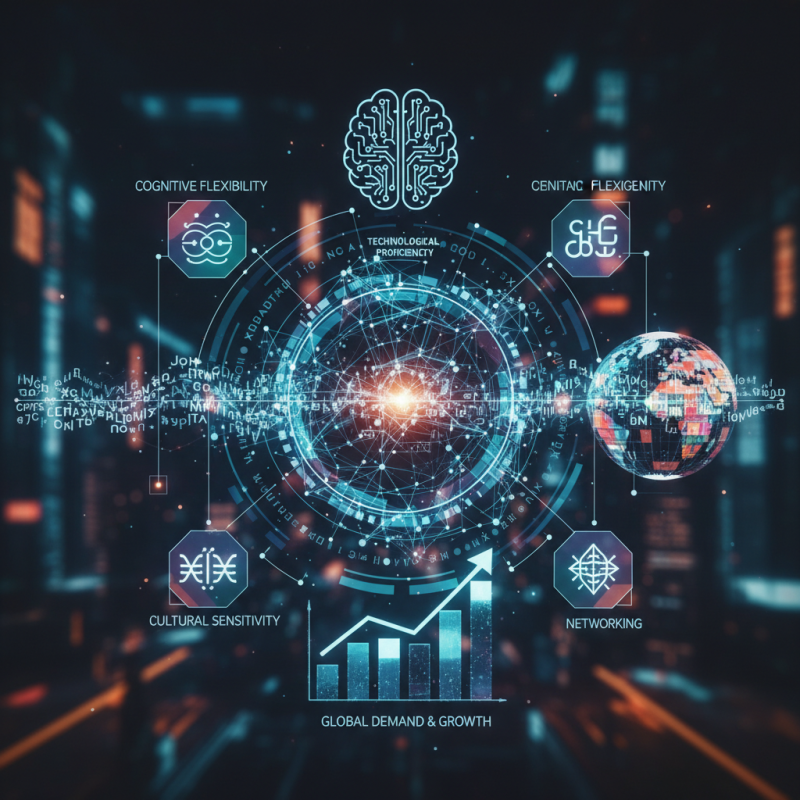
As we look toward 2026, aspiring professional translators must focus on diverse skills. They need not only language mastery but also an understanding of digital tools. Networking and cultural sensitivity are essential as well. A deliberate reflection on these needs will help translators prepare for a competitive market that is both promising and demanding. This preparation is crucial for those who wish to stand out in an ever-evolving field.
Essential Language Proficiency for Professional Translators by 2026
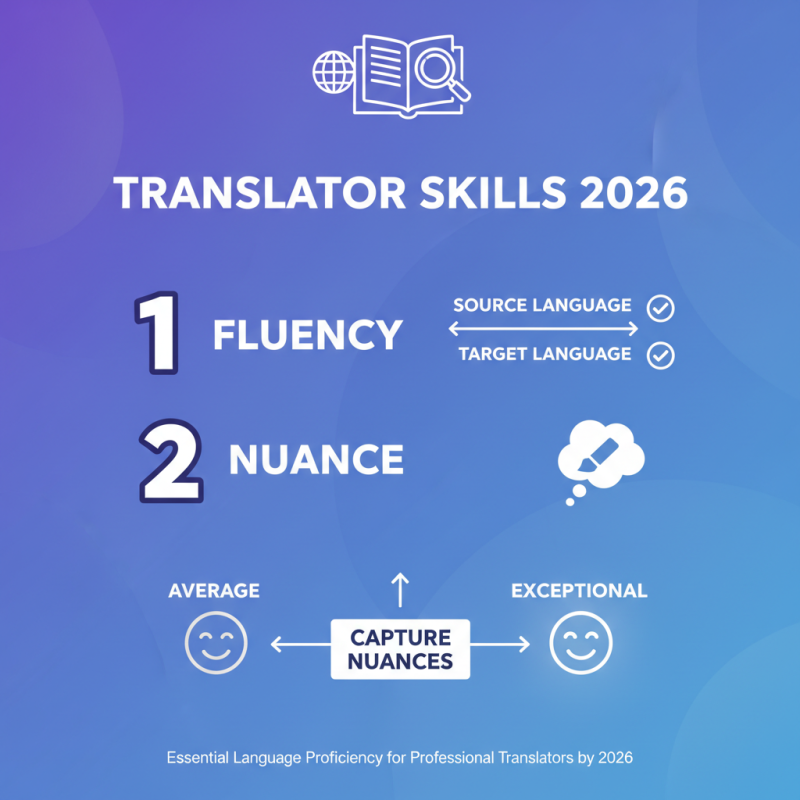
As we look toward 2026, the role of a professional translator is evolving rapidly. Language proficiency is paramount. Fluency in source and target languages is non-negotiable. Beyond basic grammar, translators must capture nuances. This skill often separates the average from the exceptional.
Cultural understanding is also crucial. It's not just about words; it's about meaning. Translators should immerse themselves in the cultures of both languages. This can be challenging, as cultures are fluid and constantly changing. Reflecting on one’s own cultural biases is necessary for growth.
Furthermore, technical skills are becoming increasingly important. Familiarity with translation software is essential. However, relying too much on technology can lead to oversights. Balancing human intuition with tools is vital. The future necessitates adaptable translators who can blend new technologies with genuine human insights.
Emerging Technologies Impacting Translation Skills for Future Professionals
As we move toward 2026, translation professionals must adapt to emerging technologies. Machine translation and artificial intelligence are reshaping the landscape. A report shows that 70% of translators already use some form of machine-assisted translation. This trend is likely to increase. Professionals need to blend human and machine skills effectively.
Data from the Globalization and Localization Association indicates that the demand for post-editing machine translations will rise significantly. Companies seek translators who can refine automated outputs. However, not all translators embrace these changes. Some feel threatened, while others see opportunities for new roles.
Collaboration tools and cloud-based platforms are also becoming essential. These tools enhance communication among translators, editors, and clients. Yet, many professionals struggle with technical aspects. Continuous learning becomes crucial. A gap between skills and technology can hinder progress. Being tech-savvy is no longer optional. Translators must evolve with the industry.
Cultural Competence: A Critical Skill for Translators in a Global Market
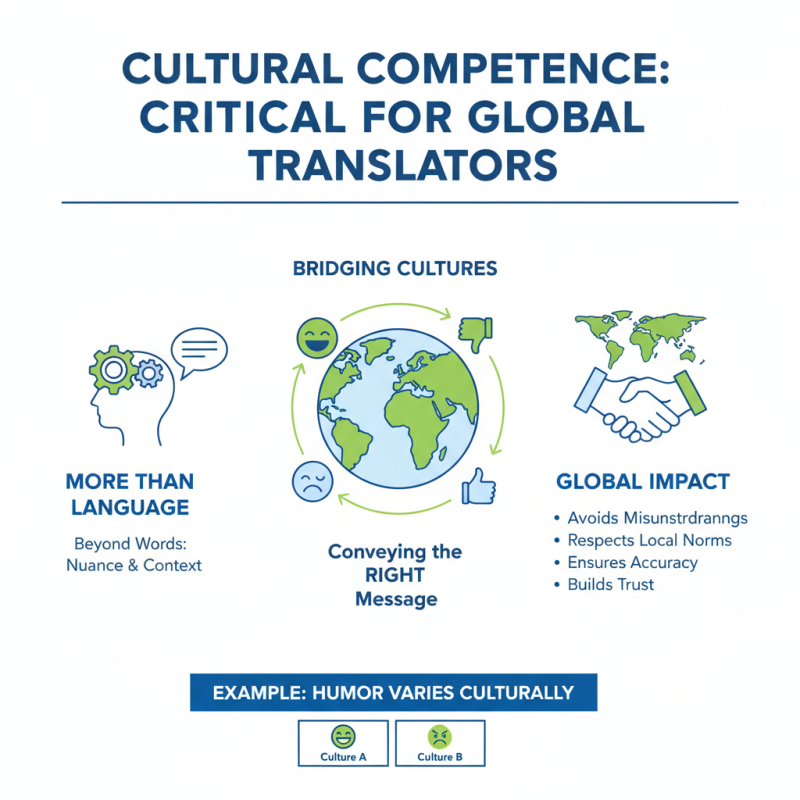
Cultural competence is essential for translators in a diverse world. It goes beyond mere language proficiency. Understanding cultural nuances helps translators convey the right message. Different cultures interpret words and phrases uniquely. For example, humor in one culture might seem offensive in another.
Translators must be aware of local customs. This awareness can prevent misunderstandings. Sometimes, literal translations fail. They miss the essence of the original message. A translator could use a metaphor that doesn't resonate with a different audience. This gap highlights the need for deep cultural insight.
Being culturally competent also means continual learning. It's not enough to know one culture. Translators should explore various cultures to improve their work. Engaging with native speakers enhances insight. Forums, social media, and cultural events are valuable resources. However, many translators may overlook these opportunities. They might stick to familiar territories, limiting their growth. Embracing the global market requires stepping outside comfort zones.
The Role of Specialization in Translation Careers by 2026
The translation industry is evolving rapidly. By 2026, specialization will define successful careers. Translators must choose specific fields, such as legal, medical, or technical translation. Each area demands unique skills and knowledge. For instance, legal translators need a strong grasp of legal terminology. Without this, inaccuracies can arise, leading to serious consequences.
Cultivating expertise requires continuous learning. Attending workshops or enrolling in specialized courses is vital. However, not every translator sees the value in this. Some rely solely on general skills. This approach can lead to missed opportunities in high-demand areas. Staying updated with industry trends is equally important. As technology advances, translators must adapt to new tools and methodologies.
Networking is another crucial aspect. Building connections with industry professionals opens doors to collaboration. Yet, many translators shy away from networking events. This reluctance can limit their career potential. Engaging with peers allows for knowledge exchange and insight into industry challenges.
Embracing specialization can be daunting. But it’s essential for growth and success in the translation field by 2026.
Adaptability and Continuous Learning: Keys to Success in Translation Field
In the rapidly evolving field of translation, adaptability is crucial. Language trends change quickly. A good translator must keep up with these shifts. It’s not just about mastering languages. Understanding cultural nuances is equally important. Each project can call for different skills.
Continuous learning is essential for success. This might mean attending workshops or online courses. Reading industry-related articles can also help. Networking with other professionals can provide fresh insights. Yet, this can be a challenge. Finding time for learning while working can be tough.
Reflecting on past experiences can lead to growth. Embrace the mistakes made in previous projects. Every error offers valuable lessons. It’s important to remain open to feedback. This ensures improvement over time. Balancing the need for constant learning with practical work can feel overwhelming. However, it is a key aspect of thriving in the translation industry.