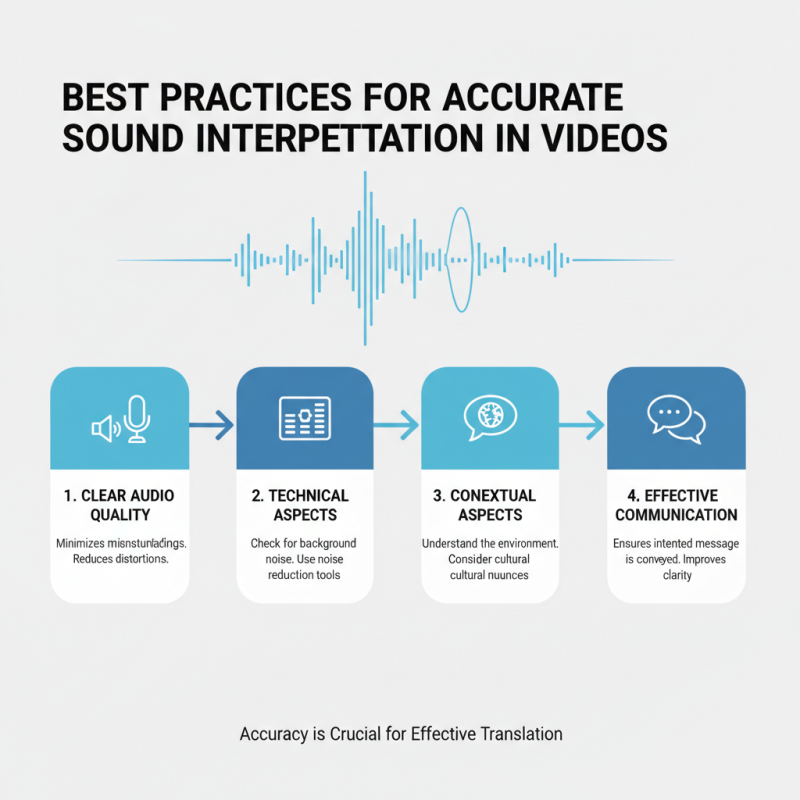
Top Ways to Translate Sound from Video for Effective Communication?
In today's digital landscape, effective communication is essential. One significant challenge is how to translate sound from video. Whether for social media, presentations, or accessibility, translating audio is crucial. Different tools and techniques can aid in this process. However, not all methods are equally effective.
Many individuals have explored various software and apps for sound translation. Some claim to offer instant results. Yet, users often find these tools lacking in accuracy. Additionally, the nuances of language can easily be lost. This highlights the importance of choosing the right approach.
Understanding the context is vital when translating sound from video. Auditory elements such as tone and emotion play a significant role. Misinterpretations can lead to misunderstandings. Therefore, it’s essential to consider who the audience is and what they expect. A thoughtful approach can enhance clarity and connection in communication.

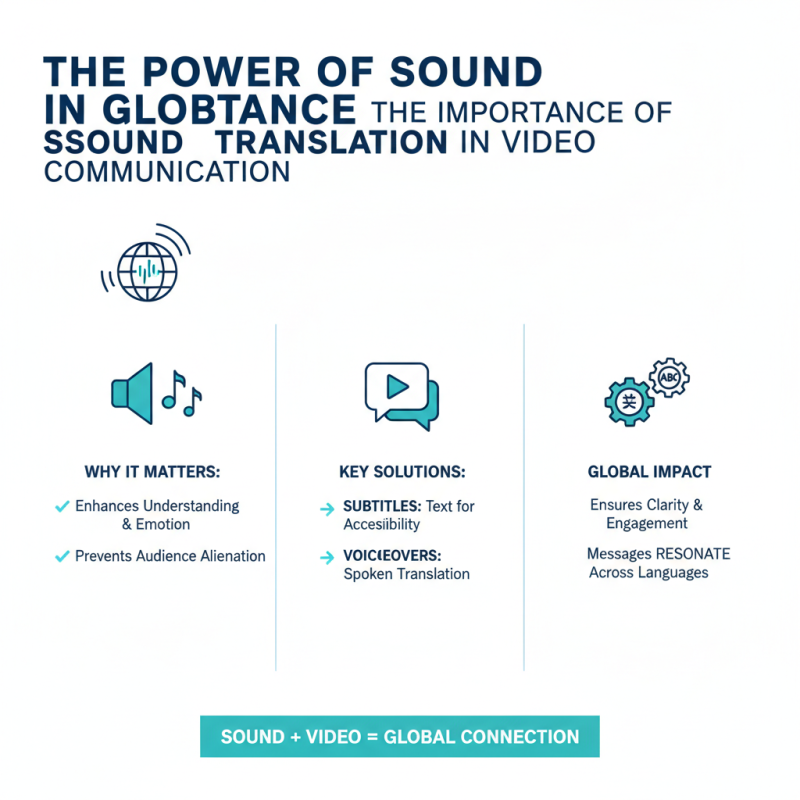
Understanding the Importance of Sound Translation in Video Communication
In today's digital landscape, sound plays a critical role in video communication. It enhances understanding and emotional connection. When video creators ignore sound translation, they risk alienating a significant audience segment. Subtitles and voiceovers are not just add-ons; they are essential for clarity and engagement. Accurate sound translation ensures that messages resonate across language barriers.
Effective communication relies on cultural nuances in sound. Simple phrases can have different meanings depending on the context. For example, a joyful expression may seem bittersweet in another culture. Such subtleties require careful attention during sound translation. Misinterpretations can lead to confusion and disconnection. This highlights the need for skilled professionals in sound translation.
Moreover, the quality of sound impacts viewer perception. Poor audio can distract from the visuals and dilute the message. It is not just about translating words; it's about conveying the right emotion and tone. Regular feedback from diverse audience members can help improve translation accuracy. Every video project is an opportunity for learning and growth. The challenge lies in making sound a seamless part of effective communication.
Common Challenges in Translating Sound from Video Content
Translating sound from video content presents numerous challenges for effective communication. One major hurdle is the quality of audio. According to industry reports, nearly 70% of users disengage due to poor audio quality. This emphasizes the necessity for clear sound to improve viewer engagement. Additionally, background noise often masks important dialogue, making it hard to convey messages accurately. When sounds overlap or are distorted, the intended meaning can become unclear.
Another issue stems from cultural differences in language and expressions. Various accents and colloquial phrases can lead to misunderstandings. Research indicates that 65% of businesses face issues when localizing content for different audiences. Understanding regional dialects is key to achieving translation accuracy.
Tips for clearer sound translation include investing in quality audio equipment. Use microphones that minimize ambient noise. Furthermore, it’s useful to create transcripts that capture nuances in tone and emotion. Regularly seek feedback on your translated content. This helps ensure that your communication resonates properly with diverse audiences. Fine-tuning your approach may highlight gaps in understanding that require attention.
Effective Techniques for Translating Video Sound into Different Languages
Effective communication often hinges on accurate translation. With the rise of video content, translating sound becomes crucial. According to a report by Common Sense Media, 85% of online videos are watched without sound. This statistic highlights the need for captions and translations. Video accessibility enhances viewer engagement. Properly translated audio can reach diverse audiences. However, effective translation requires expertise.
The use of voiceover versus subtitles is a significant decision. A study by the European Commission reveals that 70% of international viewers prefer subtitles for their clarity. Yet, voiceovers can convey tone and emotion better. It's not just about words; delivering the right context is essential. Mistakes, like cultural misunderstandings, can lead to miscommunication. An imperfect translation can create confusion.
Technological advancements have improved translation quality, but reliance on software alone can be risky. A report from the Localization Institute noted that 40% of organizations face challenges with automated translation quality. Relying solely on AI might overlook nuances. Collaborating with expert linguists elevates the outcome. Balancing technology with human expertise fosters reliable results, ensuring clear communication across languages.
Top Ways to Translate Sound from Video for Effective Communication
This bar chart illustrates the effectiveness of various techniques for translating sound from video into different languages. The methods include Voiceover, Subtitling, Dubbing, and Automatic Translation, with their respective effectiveness ratings based on user feedback.
Utilizing Technology for Enhanced Sound Translation in Videos
In today's digital landscape, the challenge of translating sound from video is significant. Effective communication often hinges on accurate sound translations. Utilizing technology can bridge language gaps and enhance accessibility for diverse audiences. Automatic speech recognition tools have advanced, allowing real-time captioning and translations. This technology converts spoken language into written text, making videos more inclusive.
Moreover, artificial intelligence plays a vital role in sound translation. AI algorithms can analyze speech patterns and context, improving translation accuracy. However, these technologies are not infallible. They may struggle with dialects or technical jargon, leading to misunderstandings. Continuous improvements are necessary to enhance reliability and contextual awareness in translations.
Additionally, incorporating user feedback can refine these tools further. Engaging audiences in the translation process allows for more comprehensive adjustments and understanding of nuances. By addressing imperfections in technology, we can work towards achieving better communication outcomes in video content. Understanding the limitations of technology is also essential. This ongoing quest for improvement keeps us focused on the ultimate goal: clear and effective communication.
Top Ways to Translate Sound from Video for Effective Communication
| Method |
Description |
Technology Used |
Effectiveness Rating (1-5) |
| Automated Transcription |
Converts audio speech into written text using software. |
Speech Recognition Algorithms |
4 |
| Subtitling |
Adding text representation of the audio at the bottom of the video. |
Video Editing Software |
5 |
| Voice-over Dubbing |
Replacing original audio with translated audio in a different language. |
Audio Editing Software |
4 |
| Real-time Translation |
Translating audio live during the video stream. |
AI Speech Translation Tools |
5 |
| Closed Captioning |
Displaying text on screen for both dialogue and sounds in the video. |
Captioning Software |
4 |