Why is Translation Software Essential for Global Communication?
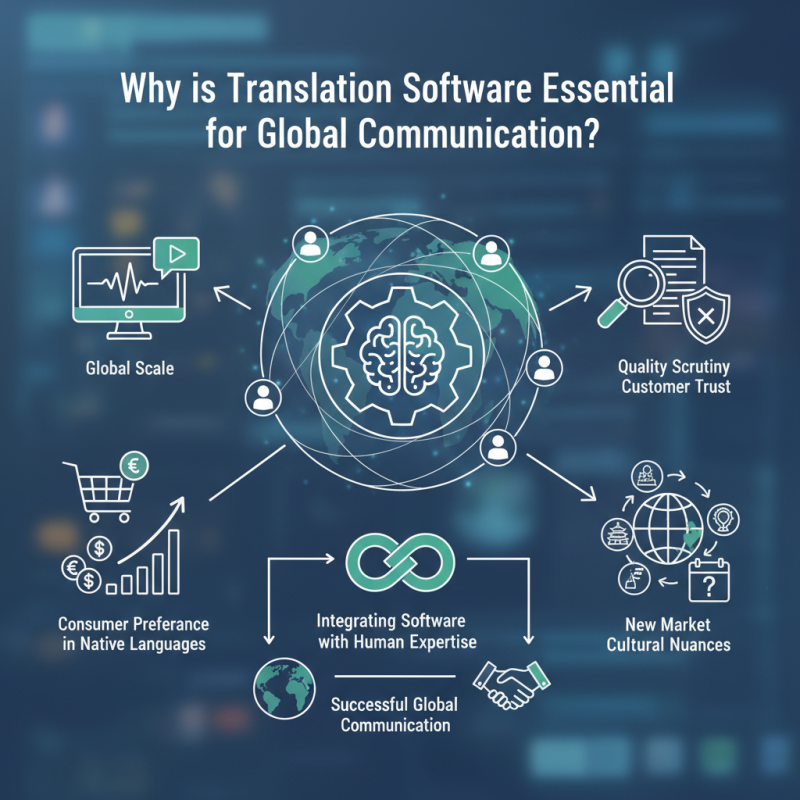
In today's interconnected world, effective communication across borders is vital. Businesses now operate on a global scale. According to a report by the Common Sense Advisory, 75% of consumers prefer to buy products in their native languages. This emphasizes the importance of translation software in bridging language gaps.
Translation software plays a critical role in facilitating international communication. It enables companies to reach diverse audiences. However, relying solely on automated tools can introduce errors. A study by SDL states that mistakes in translations can lead to a 25% decrease in customer trust. Companies must scrutinize software outputs to ensure quality.
The demand for translation software increases as globalization continues. Businesses face new market challenges and cultural nuances. The need for accuracy and context in translation underscores the importance of human involvement. Therefore, integrating translation software with human expertise is essential for successful global communication.
The Role of Translation Software in Bridging Language Barriers
In today's interconnected world, translation software plays a crucial role in bridging language barriers. With millions of people speaking various languages, effective communication can be challenging. Translation software offers solutions that ease these difficulties. It transforms text and speech from one language to another. This technology helps individuals and businesses connect globally.
Imagine a small business expanding into new markets. Without translation tools, they might struggle to communicate their ideas. Potential customers may not understand product details or marketing messages. However, with reliable software, the business can present clear information. It makes documentation, websites, and marketing materials accessible. Language does not become a hurdle anymore. Still, there are limitations. Machine translations sometimes miss context. Subtle meanings can be lost, leading to confusion. Users should remain cautious about relying solely on software for critical documents.
Reflection on our use of this technology is essential. While translation software simplifies communication, human oversight is still necessary. It can provide a good foundation, but nuances are often overlooked. Effective communication requires a blend of software support and human touch. This balance can strengthen cross-cultural relationships in significant ways.
How Translation Software Enhances Global Business Communication
In today's interconnected world, effective communication is key for global business. Translation software plays a crucial role in this area. According to a report by CSA Research, 75% of consumers prefer to purchase products in their native language. This statistic highlights the importance of clear communication in driving sales and building trust internationally.
The right translation software can increase speed and efficiency. It allows businesses to communicate with clients and partners across borders seamlessly. However, not all translation tools deliver accurate results. There are instances of awkward translations leading to misunderstandings. For example, a minor error in translating marketing slogans can negatively impact brand perception.
Additionally, the rise of remote work emphasizes the need for effective communication tools. Many teams work in different languages. A study by the Globalization and Localization Association found that 56% of companies face challenges due to language barriers. This shows that relying only on basic translation may not suffice. Investing in high-quality translation software is critical. Businesses must adapt and continually refine their communication strategies in this evolving landscape to ensure clarity and collaboration.
Why is Translation Software Essential for Global Communication? - How Translation Software Enhances Global Business Communication
| Aspect |
Description |
Impact on Communication |
Examples of Use |
| Real-time Translation |
Instant translation of messages between languages. |
Facilitates immediate understanding and collaboration across different languages. |
Chat applications, video conferencing tools. |
| Document Translation |
Transforming written documents into different languages. |
Enhances accessibility to important information for non-native speakers. |
Legal contracts, reports, marketing materials. |
| Cultural Adaptation |
Adjusting translations to fit cultural nuances and contexts. |
Ensures messages resonate appropriately with diverse audiences. |
Advertising campaigns, social media content. |
| API Integration |
Connecting translation tools with existing software solutions. |
Streamlines workflows and enhances productivity across platforms. |
Customer support systems, content management platforms. |
| Quality Assurance |
Employing tools to ensure accuracy in translations. |
Reduces misunderstandings due to translation errors. |
Review processes, feedback loops in translation workflows. |
The Impact of Translation Software on Cultural Exchange and Understanding
In today's interconnected world, translation software plays a pivotal role in cultural exchange and understanding. It allows people from diverse backgrounds to engage with each other. In a 2022 report, 75% of businesses noted that translation software improved their communication with international partners. This technology removes language barriers and fosters collaboration.
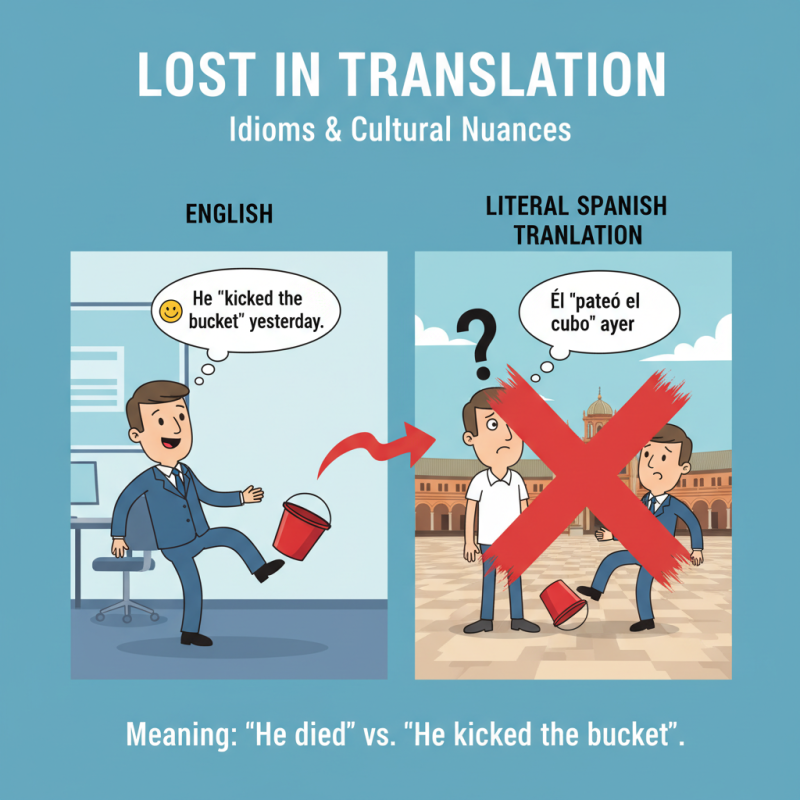
However, there are challenges. Some nuances and cultural references may be lost in translation. Automated systems can misinterpret idiomatic phrases. This misunderstanding can lead to confusion or even offense. Many users find that relying solely on software can hinder deeper cultural comprehension. Emphasizing the need for sensitivity in communication is critical.
Tips:
Always review translations for accuracy. It’s beneficial to have a native speaker involved when possible. Engage with local customs and context to gain a richer understanding. These approaches can enhance the effectiveness of your communication. Embrace these tools, but never forget to consider the human element they cannot replace.
Advancements in AI and Machine Learning in Translation Technology
Advancements in AI and machine learning have revolutionized translation technology. These tools can now analyze vast amounts of data. They learn from context and improve over time. The accuracy of translations has increased significantly. However, challenges remain.
Context is crucial in translation. Machines sometimes struggle with idioms or cultural nuances. They may miss the subtlety in jokes or emotions. This can lead to awkward and confusing translations. Users may find themselves questioning the reliability of the output. Such instances highlight the need for human oversight.
Despite these limitations, the benefits are clear. AI-driven translation software can speed up communication across borders. They enable businesses to reach global markets with ease. People can connect without language barriers. As technology evolves, it is essential to reflect on its limitations. Balancing automation with human expertise will continue to shape the future of translation.
Usage of Translation Software in Global Communication
The bar chart above illustrates the increasing global usage percentage of translation software from 2019 to 2023. This trend highlights the significance of translation technology as advancements in AI and machine learning continue to enhance its effectiveness in facilitating global communication.
Challenges and Limitations of Translation Software in Effective Communication
Translation software plays a vital role in bridging language barriers. However, it faces significant challenges that affect effective communication. One major limitation is the nuance in language. Idioms and cultural references often get lost in translation. For example, a phrase that is humorously used in one language may come off as offensive in another. This can lead to misunderstandings and misinterpretations.
Another challenge is the context of a conversation. Translation software primarily relies on literal meanings. It struggles with industry-specific jargon, which may lead to inaccuracies. Imagine a technical document translated poorly, causing confusion among international teams. Also, emotional tone is often missing. A straightforward translation may fail to capture the speaker's intent, leading to a lack of clarity.
Moreover, human oversight is crucial. Automated translations can lead to errors that are hard to catch. Sometimes, software misidentifies gender or tense, altering the intended message. These imperfections remind us of the importance of human translators. They provide insights that software cannot. Effective cross-cultural communication requires more than just words; it needs understanding.