How to Use Translated Subtitles for Global Sourcing Success?
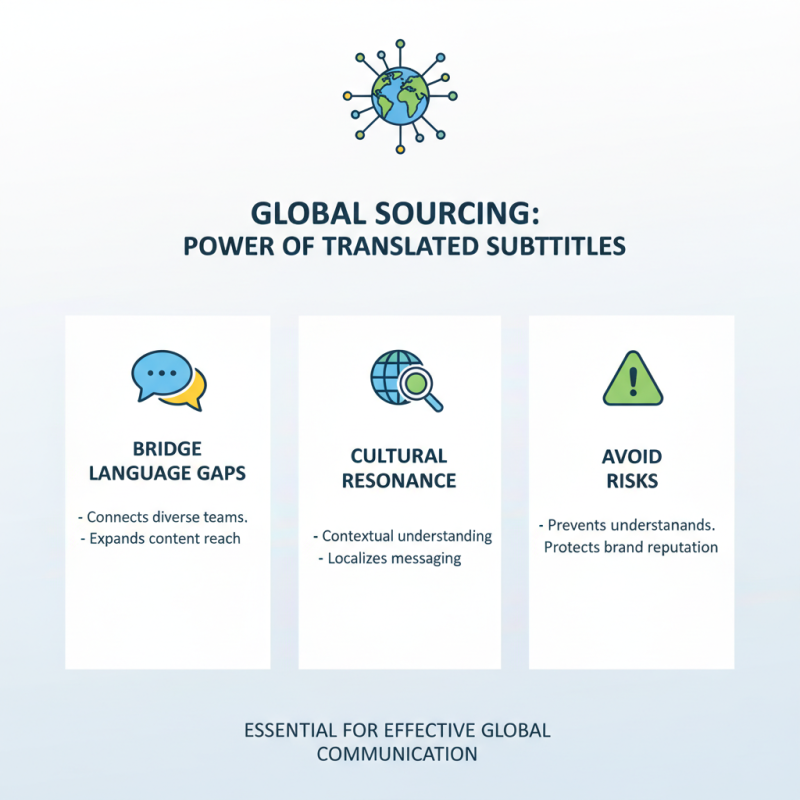
In today's global marketplace, the importance of effective communication cannot be overstated. Translated subtitles are a powerful tool for bridging language barriers. They ensure that messages resonate with diverse audiences, enhancing understanding and engagement. As global sourcing becomes increasingly dynamic, leveraging translated subtitles can lead to significant competitive advantages.
Expert in localization, Dr. Anna Lopez, emphasizes, "Translated subtitles can transform content into accessible communication." This statement highlights the potential of accurately translated subtitles in reaching broader markets. They are essential for businesses looking to expand internationally. Quality subtitles not only convey the message but also respect cultural nuances.
However, incorporating translated subtitles poses challenges. It requires precision and a deep understanding of cultural context. Poor translations can mislead viewers, creating confusion. Achieving the right balance between linguistic accuracy and cultural sensitivity is crucial. Businesses must prioritize high-quality translations to ensure their global sourcing strategies thrive.

Understanding the Importance of Translated Subtitles in Global Sourcing
In the era of globalization, translated subtitles have become essential for effective communication. They bridge language gaps, ensuring that valuable content reaches a wider audience. Many businesses overlook the importance of localized subtitles. Subtitles should resonate culturally and contextually with viewers. Poor translations can lead to misunderstandings and even damage reputations.
Consumers today expect clarity. Translated subtitles enhance the viewing experience by making information accessible. For global sourcing, this means that teams can collaborate more effectively, regardless of their native language. Misinterpretations can occur if subtitles are not carefully crafted. Investing in professional translation services is crucial for clarity and accuracy.
However, not all translations achieve their intended impact. Some may lack cultural relevance or fail to convey the right tone. Businesses need to assess their current practices critically. Regular reviews of translated materials can help identify areas for improvement. By focusing on quality translated subtitles, companies can boost their global presence and foster trust across diverse markets.
Key Languages for Effective Subtitles in Global Markets
In today's interconnected world, effective global communication is vital. Using translated subtitles can bridge cultural and linguistic divides. Certain key languages stand out when creating subtitles that resonate with diverse audiences. Spanish, Mandarin, and Arabic are crucial to accessing large markets. These languages not only enhance clarity but also foster deeper connections.
When sourcing content globally, consider the nuances of each language. Spanish, widely spoken across several continents, carries varied dialects. A subtitle tailored for Mexico may not resonate with users in Spain. Similarly, Mandarin has regional dialects, which can affect comprehension. Arabic presents its challenges; its diverse dialects can also alter meaning significantly.
Employing highly qualified translators is essential. Not all translations maintain the same level of effectiveness. Relying on automated tools may result in errors that mislead or confuse viewers. While cost-effective, they can lack cultural relevance. It’s vital to ensure that the final subtitles reflect not just the language, but the intended emotional tone. Emphasizing cultural context can lead to a richer viewer experience.
Best Practices for Translating Subtitles in Sourcing Videos
In today's global economy, effective communication is crucial. Translating subtitles in sourcing videos can bridge gaps between cultures. Studies show that 75% of internet users prefer watching videos in their native language. This highlights the necessity of accurate subtitle translation for reaching diverse audiences.
A professional approach to translating subtitles involves understanding context and cultural nuances. It's vital to engage skilled translators who are familiar with the sourcing industry. According to a report by Common Sense Advisory, 65% of consumers feel more positive about brands that provide localized content. This statistic underlines the power of well-translated subtitles in building trust with potential partners.
Challenges often arise in translation accuracy. Misinterpretations can lead to confusion or miscommunication. For example, certain phrases may not have direct translations, which can alter intended meanings. Regular reviews and updates of translated content are necessary to maintain quality. Collaboration with native speakers can provide insights that enhance the accuracy of subtitles in sourcing videos.
Industry Data on the Impact of Subtitles on Audience Engagement
Subtitles play a pivotal role in engaging global audiences. Research shows that 80% of viewers are more likely to watch videos with subtitles. This statistic highlights the power of translated subtitles in capturing attention. When content is accessible, it resonates with diverse viewers. Engaging visuals coupled with well-crafted subtitles can increase viewer retention significantly.
Moreover, the language barrier often hinders audience connection. Surprisingly, around 70% of non-native speakers prefer content in their own language. Translated subtitles bridge this gap, fostering a deeper understanding. This engagement can lead to higher conversion rates and brand loyalty. However, poorly translated subtitles can confuse viewers and detract from their experience. The effectiveness of subtitles hinges on quality and cultural relevance.
Audiences respond well when subtitles are culturally contextualized. Statistics reveal that 65% of users engage more when cultural nuances are respected. Hence, understanding the audience’s cultural background is crucial. It aids in making informed decisions about translations. The impact of using effective subtitles is clear, but businesses must continuously evaluate their approach to maintain audience engagement.
Tools and Technologies for Creating Quality Translated Subtitles
Creating quality translated subtitles is crucial for global sourcing success. Various tools and technologies can significantly enhance this process. Subtitling software often provides features for time-coding and text alignment. Leveraging these features can ensure that your subtitles synchronize perfectly with the audio. Automated translation tools can save time, though they may lack context sensitivity. This could lead to misunderstandings.
When using subtitling tools, it's essential to maintain an eye on cultural nuances. Machine translations might miss these subtleties. Human translators often better grasp regional dialects and cultural references. A collaborative approach using both technology and human insight can yield better results.
Feedback is vital in this process. Gathering opinions from native speakers can help refine subtitles. Relying solely on technology may overlook critical errors or subtleties. Always be open to adjusting your subtitles after receiving comments. This iterative process can lead to higher-quality translations and improved understanding among global audiences.