2026 Best Certified Translator Services for Global Buyers?
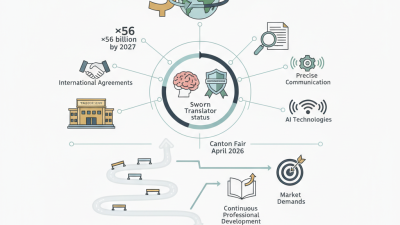
In a rapidly globalizing marketplace, the demand for certified translators has soared. According to the U.S. Bureau of Labor Statistics, employment for interpreters and translators is projected to grow 20% from 2021 to 2031. This surge highlights the increasing need for accurate communication across languages. Businesses often face considerable risks when they rely on non-certified individuals for translation. Mistranslations can lead to lost clients, tarnished reputations, and legal disputes.
The importance of choosing a certified translator cannot be overstated. Certified translators possess the necessary qualifications and experience. They ensure that the nuances of language, culture, and context are reflected accurately in translations. Notably, a report from the Globalization and Localization Association states that companies that invest in professional translation services experience 1.5 times higher customer satisfaction. This statistic emphasizes the value of expertise in communicating effectively with diverse audiences.
However, the process of selecting a top-tier certified translation service can be challenging. Not all providers are created equal. Some may lack specific knowledge in certain industries, leading to subpar translations. Buyers need to carefully assess their options. They should consider factors such as specializations, certifications, and client testimonials to avoid common pitfalls. This awareness is crucial for making informed decisions in a competitive global landscape.

Overview of Certified Translator Services in 2026
In 2026, the demand for certified translator services has reached new heights. Global businesses seek translators who not only understand the language but also grasp cultural nuances. Effective translation goes beyond word-for-word accuracy; it requires expertise in various fields, such as legal, medical, and technical. Certified translators bridge gaps, ensuring messages resonate with diverse audiences.
One challenge in the industry is maintaining quality across various disciplines. Many translators specialize, but not all hold certifications. This can lead to inconsistencies in translation quality. Buyers must carefully vet services to ensure that their chosen translator has the right expertise. In some cases, an unqualified translator may overlook essential details, leading to significant misunderstandings.
Another aspect to consider is technological advancement. Machine translation tools are becoming common, yet they often lack the nuanced understanding that a human translator provides. While these tools may save time, they can’t fully replace the human touch. For critical documents, relying solely on technology may lead to misinterpretations. As businesses navigate this evolving landscape, the need for qualified, certified translators remains crucial.
Key Qualities to Look for in a Certified Translator
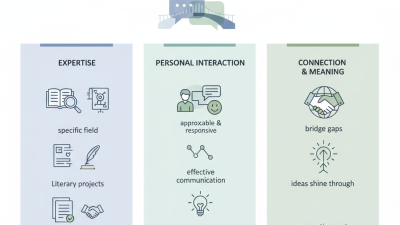
When seeking certified translator services, some key qualities ensure reliability and effectiveness. Expertise is crucial; translators should possess industry-specific knowledge. For example, a study by the American Translators Association highlights that 95% of clients prioritize subject matter expertise. This is especially true in technical, legal, or medical fields where accuracy is non-negotiable.
Additionally, credentials matter. Certified translators often have formal training and adhere to strict ethical standards. Research shows that 72% of clients feel more confident working with certified professionals. Furthermore, it's vital to evaluate a translator's previous work. Their portfolio should reflect diverse language pairs and successful projects. A well-rounded background indicates adaptability.
Communication skills also hold significant weight. Certified translators must articulate nuances that arise during the translation process. A report by Common Sense Advisory states that 78% of translation failures stem from misunderstandings. This highlights the importance of not just language proficiency but also cultural competency. Finding a certified translator who embodies these qualities ensures better outcomes and client satisfaction.
2026 Best Certified Translator Services for Global Buyers
| Service Type |
Language Pairs |
Average Turnaround Time |
Pricing Model |
Customer Support |
| Document Translation |
English - Spanish |
3-5 days |
Per word |
24/7 Live Chat |
| Website Localization |
English - Chinese |
1-2 weeks |
Project-based |
Email Support |
| Certified Legal Translation |
English - French |
5-7 days |
Flat rate |
Phone Support |
| Technical Translation |
English - German |
4-6 days |
Per page |
In-app Messaging |
| Interpreting Services |
English - Arabic |
Same day |
Hourly rate |
Dedicated Account Manager |
Top Certified Translation Companies for Global Buyers
When choosing a certified translation company, experience matters deeply. Many firms offer specialized services for various industries. This includes legal, medical, and technical translations. Their professionals are often native speakers with advanced skills in target languages. Buyers can find peace of mind knowing experts handle important documents.
Quality is not uniform across providers. While some companies boast quick turnaround times, the accuracy of their translations can suffer. Understanding the certification process is crucial. Each agency follows different standards, impacting reliability. Investing time in researching options is necessary for global buyers.
Clients often look for feedback from previous customers. Reviews can shed light on responsiveness and quality. However, not all feedback is genuine. Some clients might exaggerate experiences, leading to confusion. It’s essential to approach reviews thoughtfully and compare multiple sources for a clearer picture.
2026 Best Certified Translator Services for Global Buyers
Pricing Models and Cost Factors in Translation Services
When selecting translation services, pricing models significantly impact global buyers. According to a 2023 report by the Common Sense Advisory, around 40% of buyers consider cost to be the most critical factor. Understanding various pricing structures is essential. Many services charge per word, while others may have hourly rates. This variability can confuse clients.
Project complexity can also affect costs. For instance, specialized fields like legal or medical translation often demand higher rates due to the expertise required. A recent survey showed that a legal document could range from $0.15 to $0.25 per word, depending on the translator's experience. This discrepancy highlights the need for buyers to assess not just the price but also the quality of the service offered.
Moreover, additional factors like urgency and formatting requirements can drive prices up. Clients might encounter situations where rush fees apply, potentially increasing costs by 50% or more. Such practices may seem excessive, yet they reflect the industry's need to balance speed with quality assurance. Global buyers should navigate these complexities carefully to find reliable service providers.
Emerging Trends in Translation Technology and Services
The landscape of translation technology is evolving rapidly. AI-driven tools are transforming how translation services operate. These innovations enable faster and more accurate translations. More organizations are adopting machine learning to enhance their workflows. However, reliance on technology raises concerns about quality assurance.
Many tools may not capture cultural nuances. Human touch is still critical in certain contexts. This gap highlights the need for skilled translators who can provide context-rich translations. Emerging trends indicate an increase in demand for hybrid models. This combines AI efficiency with human expertise. Translators equipped with the latest tech can offer a competitive edge.
New trends also emphasize collaboration. Translators need to work closely with clients. Clear communication can lead to better outcomes. Adapting to these trends requires continuous learning. Professionals must stay informed about advancements. Enhanced expertise can lead to more reliable services. As translation needs grow, adaptability will be essential.