What Is the Best Professional Language Translator in 2026?

The best professional language translator in 2026 depends on what you need translated, who will read it, and how errors could affect your work. A polished product page has different demands from a technical manual or a customer support email. Even fluent wording can miss a company’s preferred terminology or change a small but important detail.

A reliable choice should combine subject expertise, consistent quality checks, clear pricing, and practical turnaround times. Look for details about translator qualifications, editing, confidentiality, and how revisions are handled. If you use translation software, check whether qualified people review important material before delivery. Ask for a sample involving your actual content, such as a product description with industry terms. Small differences matter.

There is no universal winner. Not quite.

This guide compares professional language translator options by accuracy, language coverage, ease of use, support, and value. It also considers when automated tools may help and when human review is worth the extra time. Ratings and feature lists can be useful, but they do not tell the whole story. A service may work well for short documents yet struggle with specialized terminology or a tight deadline. The right choice should fit your workflow, not just look impressive on a comparison page. Even careful evaluations have limits; languages, projects, and expectations vary.
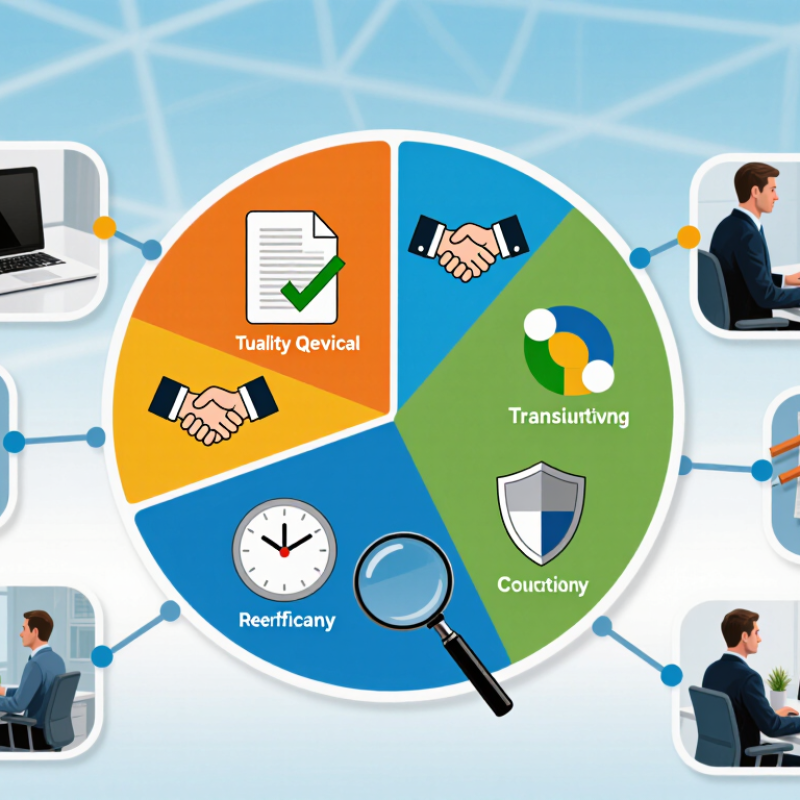
What Is the Best Professional Language Translator in 2026?

What a Professional Language Translator Does

What Is the Best Professional Language Translator in 2026?

What a Professional Language Translator Does

A professional language translator does more than replace words in one language with words in another. They preserve meaning, tone, and intent while adapting phrasing for the people who will read it. A product label, for example, may need concise wording, familiar units, and clear instructions. Small details matter. A date or measurement can be understood differently across regions.

Good translators research subject-specific terms and keep their choices consistent. They may consult reference materials, compare earlier documents, or ask a client to clarify an ambiguous phrase. Context can be messy. A sentence that sounds natural in one language may feel blunt, overly formal, or confusing in another. A reliable translator flags uncertainty rather than quietly guessing.

The work also includes careful review. Translators check spelling, grammar, names, numbers, and formatting, then compare the finished version with the source. They should handle client materials discreetly and explain where a translation depends on context. No workflow is flawless. Even a polished sentence can drift too far from the original, so good judgment includes knowing when to stay close to the source and when adaptation helps readers understand it.


How Professional Translation Systems Work

What Is the Best Professional Language Translator in 2026?
How Professional Translation Systems Work

A professional translation system is a workflow, not a single button. It starts by extracting text from files and identifying language, formatting, and subject matter. The text is often divided into manageable segments. Earlier approved translations may be suggested through translation memory, while terminology lists help keep technical terms consistent. Context matters. “Charge” could mean a fee, an electrical property, or an instruction. The surrounding sentence helps clarify its meaning.

Machine translation can produce a useful draft, especially for familiar material. A qualified human translator then checks meaning, tone, and cultural nuance. Reviewers may compare the translation with the source, check numbers and names, and test how the text appears in its final layout. Short sentences help. A reliable process also records edits and flags uncertain phrases rather than quietly guessing. One weakness deserves attention: quality checks can miss a subtle change in meaning, even when every word looks polished. For a product sheet, a tiny wording error may confuse a reader. Human review is not perfect, either; clear guidelines and a second look can make the process more dependable.

What Is the Best Professional Language Translator in 2026? — How Professional Translation Systems Work

System or workflow How it works Typical strengths Key limitations Best suited for Recommended human review
Neural machine translation Uses neural networks to generate a translation from the source text, usually considering surrounding context. Fast; handles large volumes; useful for drafts and content whose meaning is clear from context. Can miss nuance, make unsupported inferences, or produce inconsistent terminology; quality varies by language pair and subject. Internal communication, first drafts, and low-risk content. Review names, numbers, terminology, tone, and passages where an error could affect decisions.
Large-language-model-assisted translation Uses a language model to translate or revise text, often guided by instructions, examples, and supplied terminology. Can adapt style and explain choices; useful for contextual rewriting and flexible formatting. May alter meaning, omit details, or invent information; prompt-following does not guarantee factual accuracy. Tone-sensitive drafts, localization preparation, and content with clear reference material. Compare against the source for completeness and factual fidelity; verify all specialized terms.
Translation memory and terminology workflow Stores approved translations and preferred terms so translators can reuse consistent wording across projects. Improves consistency; reduces repeated work; supports established terminology and review processes. Reused segments can be outdated or unsuitable in a new context; setup and maintenance require care. Recurring documents, product interfaces, and large multilingual content programs. Check reused segments in context and maintain an approved, current terminology list.
Machine translation with professional post-editing A translator edits machine-generated text to meet the required standards for accuracy, fluency, and purpose. Combines automated throughput with human judgment; can suit repeatable content when quality requirements are defined. Post-editing effort depends on source quality, language pair, subject matter, and how much revision is needed. High-volume business content with a clear review specification. Use qualified reviewers and a defined quality checklist; escalate ambiguous or high-impact content.
Professional human translation A qualified translator interprets the source and produces a target-language text for its audience and purpose. Supports nuanced decisions, audience adaptation, and careful handling of context and ambiguity. Requires more time and coordination than automated draft generation; expertise must match the subject. Public-facing, literary, culturally sensitive, or high-consequence material. For critical material, add an independent review by a second qualified linguist or subject specialist.
Hybrid professional translation system Combines automated translation, terminology resources, workflow checks, and human review according to content risk. Can balance speed, consistency, and human oversight when each task is assigned an appropriate review level. Needs clear data-handling rules, suitable tools, skilled reviewers, and ongoing quality monitoring. Organizations translating varied content across multiple languages and risk levels. Set review requirements by content type; validate accuracy, completeness, terminology, formatting, and privacy controls.

Practical takeaway: the best professional translation system depends on the language pair, subject, audience, confidentiality needs, and consequences of error. For important content, automated output should be checked by a qualified human.

Key Factors That Determine Translation Quality

The best professional language translator in 2026 is not defined by fluency alone. Quality depends on meaning, terminology, audience, and how carefully a translation is reviewed. In its 2014 report Can’t Read, Won’t Buy, CSA Research found that 76% of surveyed consumers preferred product information in their own language, while 40% said they would not buy from websites in other languages. The figures are a reminder: understandable wording can affect real decisions, not just style.

Small details matter. A translator should preserve intent, use consistent specialist terms, and adapt examples to local readers without adding unsupported claims. The European Commission’s 2011 Eurobarometer report on online language preferences found that 90% of EU internet users preferred websites in their own language; 42% said they never purchased from sites in other languages. Human review helps catch a phrase that is technically correct but sounds cold, confusing, or out of place. ISO 17100 outlines professional translation-service processes, including revision, but a standard cannot guarantee that every sentence feels natural. I would not treat any single score as a perfect quality check. Feedback from actual readers still matters, and even experienced translators can miss an awkward phrase on a busy day.

Main Types of Professional Translators in 2026

Professional translators specialize in different tasks, and the right choice depends on how the translated words will be used. Document translators work with reports, manuals, certificates, and business materials. They check terminology, tone, and formatting, not just individual words. A technical translator, for example, may need to keep a machine’s warning label precise while making the instructions readable. Small wording changes can matter.

Interpreters handle spoken communication in meetings, clinics, or conferences. Consecutive interpreters speak after a person pauses; simultaneous interpreters work almost in real time, often through headsets. The pace can be demanding. Even skilled interpreters may need a brief pause when speakers use unfamiliar terms or talk over one another. That limitation is worth planning for.

Localization specialists adapt websites, software, and campaigns for a particular audience. They consider date formats, interface length, cultural references, and how text fits on a phone screen. Some projects also need subject specialists, such as medical translators who understand clinical vocabulary. A fluent general translator may not be enough. Before hiring, check the person’s relevant training, experience with similar material, and review process. Credentials help, but they do not guarantee a perfect fit. A short sample can reveal awkward phrasing that a résumé cannot.

How to Choose a Translator for Different Needs

What Is the Best Professional Language Translator in 2026?
How to Choose a Translator for Different Needs

The best translator depends on the stakes, audience, and format. A 2020 CSA Research report, based on 8,709 consumers across 29 countries, found that 76% prefer product information in their own language. That preference matters for websites, product guides, and customer support. For a medical document, seek subject-matter expertise and a careful review process. For a campaign, prioritize cultural fluency, tone, and audience testing. Different jobs need different skills.

Tips: Share a sample page, intended audience, and final use before requesting a quote. Ask who reviews the translation and how terminology stays consistent. For live meetings, hire an interpreter; written translators work with documents. Check relevant credentials and experience, not just language fluency. A polished sample helps, though one page cannot prove every skill.

For technical manuals, check the translator’s familiarity with diagrams, units, and specialist terms. For sensitive or high-stakes material, confirm confidentiality practices and arrange an independent review. Human review can catch a mistranslated decimal or a phrase that sounds unintentionally abrupt. No checklist catches every awkward sentence. I would also ask how revisions are handled; that detail is easy to overlook, and it can matter when the brief changes halfway through.

What Is the Best Professional Language Translator in 2026?

How to choose a translator for different needs

How to use this chart: These rounded U.S. Census estimates indicate the number of people age 5 and older who speak each language at home—not translation quality or professional translator availability.

For legal, medical, or technical material, choose a qualified translator with subject-matter expertise and relevant credentials. For marketing, prioritize cultural adaptation and native-level writing in the target language. For spoken communication, look for a professional interpreter.

Source: U.S. Census Bureau, 2022 American Community Survey, Table C16001. Values shown in millions and rounded.